
Rolex Datejust History (Part 1: The Historical Journey and Decade-by-Decade Innovations)

Every brand has its own classic icon - a name that encapsulates the essence of the house, even if it is not necessarily the most high‑end product line. Just as Mercedes has the E‑Class and A. Lange & Söhne has the Lange 1, Rolex has the Datejust. If the Oyster Perpetual is the solid ‘technical foundation’ that defines the DNA of the entire Rolex catalogue, then the Datejust is the true ‘face of the brand’ which is the watch that elevated Rolex to the throne as a global cultural icon.
Launched in 1945 and standing as one of the longest‑running collections in the brand’s catalogue, the Datejust embodies Rolex’s most distinctive hallmarks: the legendary water‑resistant Oyster case, the Cyclops magnifying lens over the date window, the shimmering fluted bezel that catches the light, the choice of Jubilee or Oyster bracelets, and an aesthetic language that is both timeless and versatile.
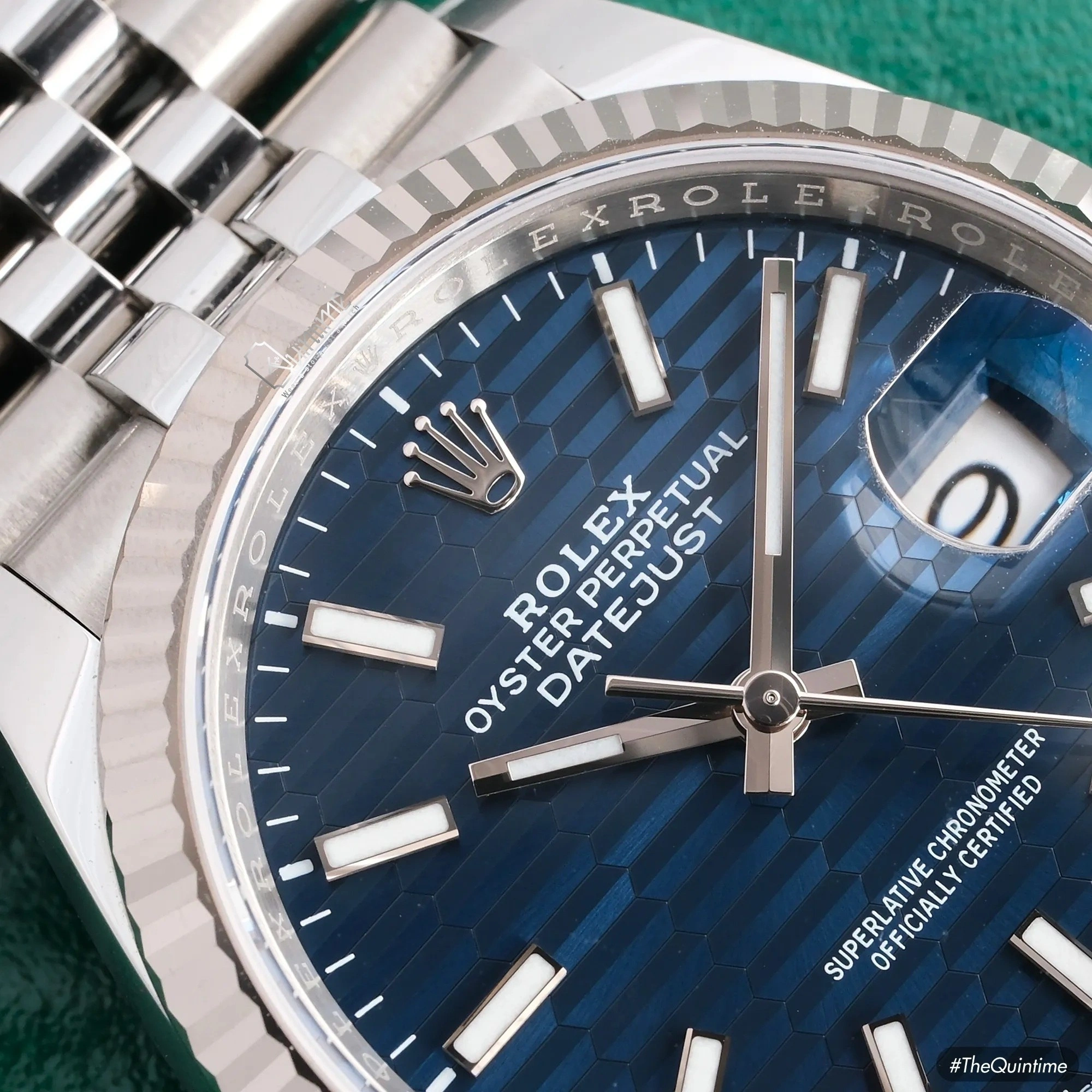
This article focuses on the historical journey of the Rolex Datejust and the key innovations introduced to the collection across different eras. A deeper exploration of each Reference number (structured like a catalogue) will be presented in blog ‘Rolex Datejust History Part 2: A Comprehensive Reference Guide from Ref. 4467 to Contemporary Models.’
1. A Brief History of Rolex - A Pioneer in Wristwatches and the Birth of the Datejust (1945)
Before the 20th century, the pocket watch reigned supreme as the unrivaled symbol of precision in the eyes of collectors. Change only began to take shape around 1904, when Louis Cartier designed the Santos-Dumont specifically for his aviator friend Alberto Santos-Dumont. This milestone introduced the concept of the wristwatch to a wider audience, gradually shifting public perception and prompting other watchmakers to explore this emerging market.
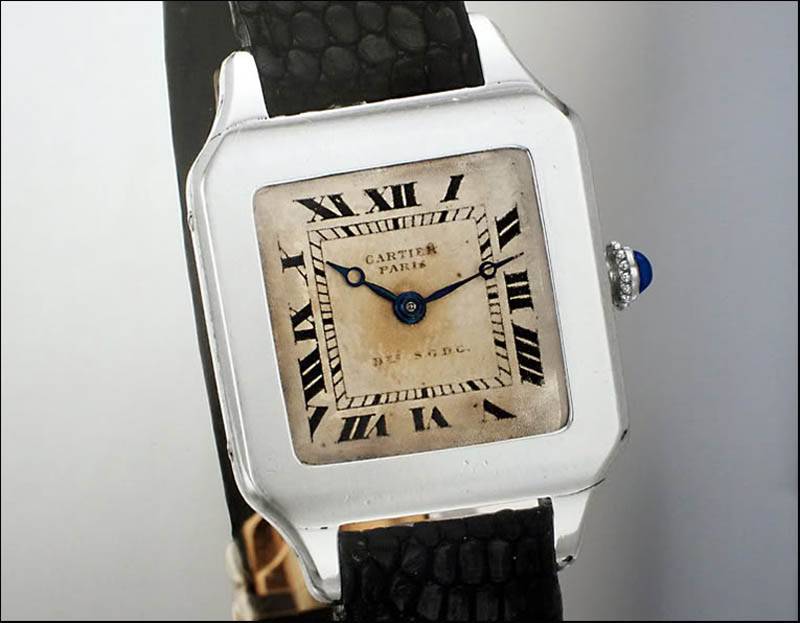
Yet in the eyes of enthusiasts at the time, the wristwatch was still perceived mainly as a piece of jewelry or a specialized instrument for professionals such as scientists and aviators. It was thought to be fragile, less accurate, and far less durable than the pocket watch. This was exactly the prejudice Hans Wilsdorf identified, and he set out with determination to overturn it.

That mission was pursued by Rolex from the very first day of its founding in 1905, gradually achieving success through each pivotal milestone. Over time, these achievements became the cornerstone for the entire watchmaking industry.:
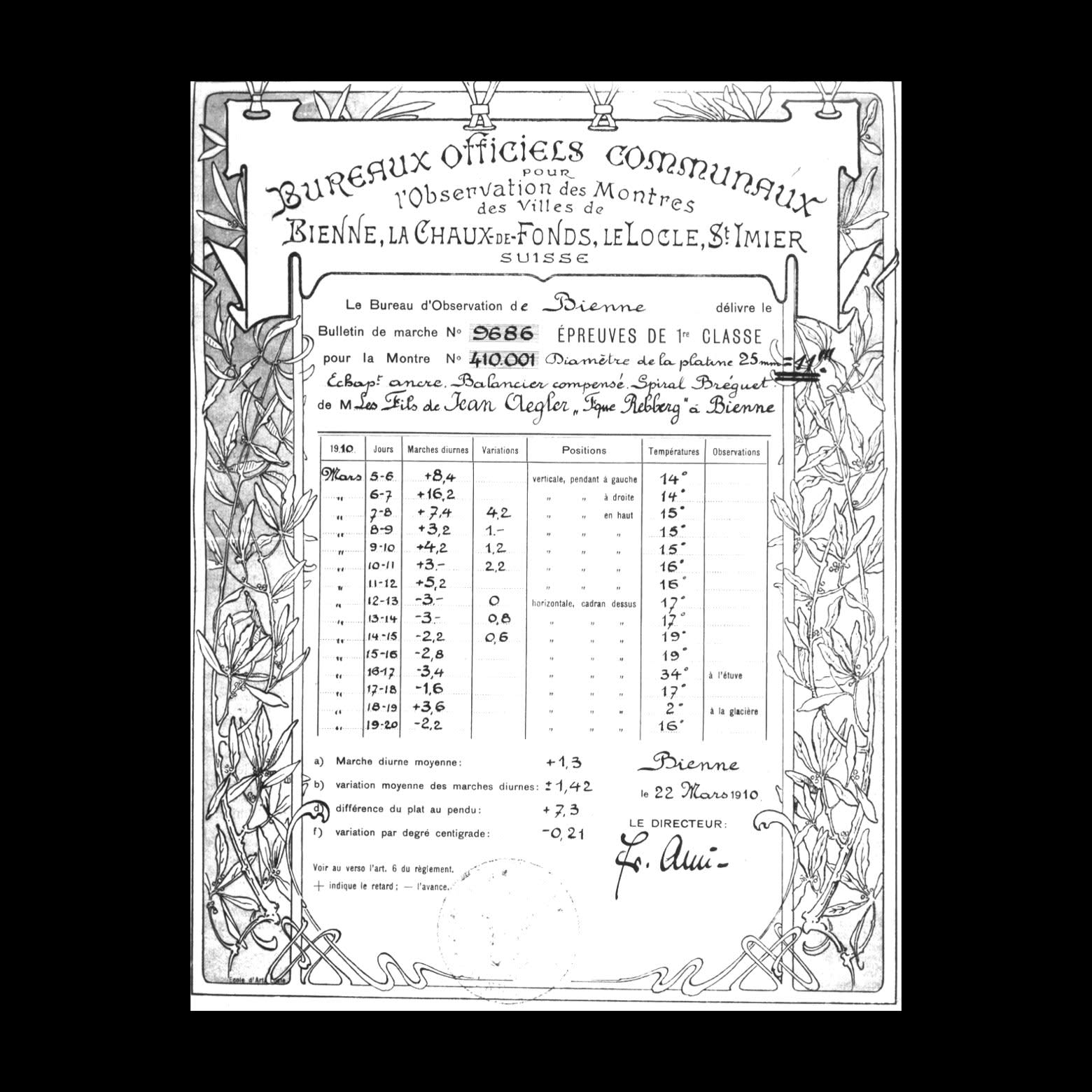
- 1910: In 1910, Rolex became the first wristwatch in the world to receive the Swiss Certificate of Chronometric Precision, awarded by the Official Watch Rating Centre in Bienne. For the very first time, the wristwatch was elevated to the same level of accuracy as the pocket watch, thanks to its chronometer certification.
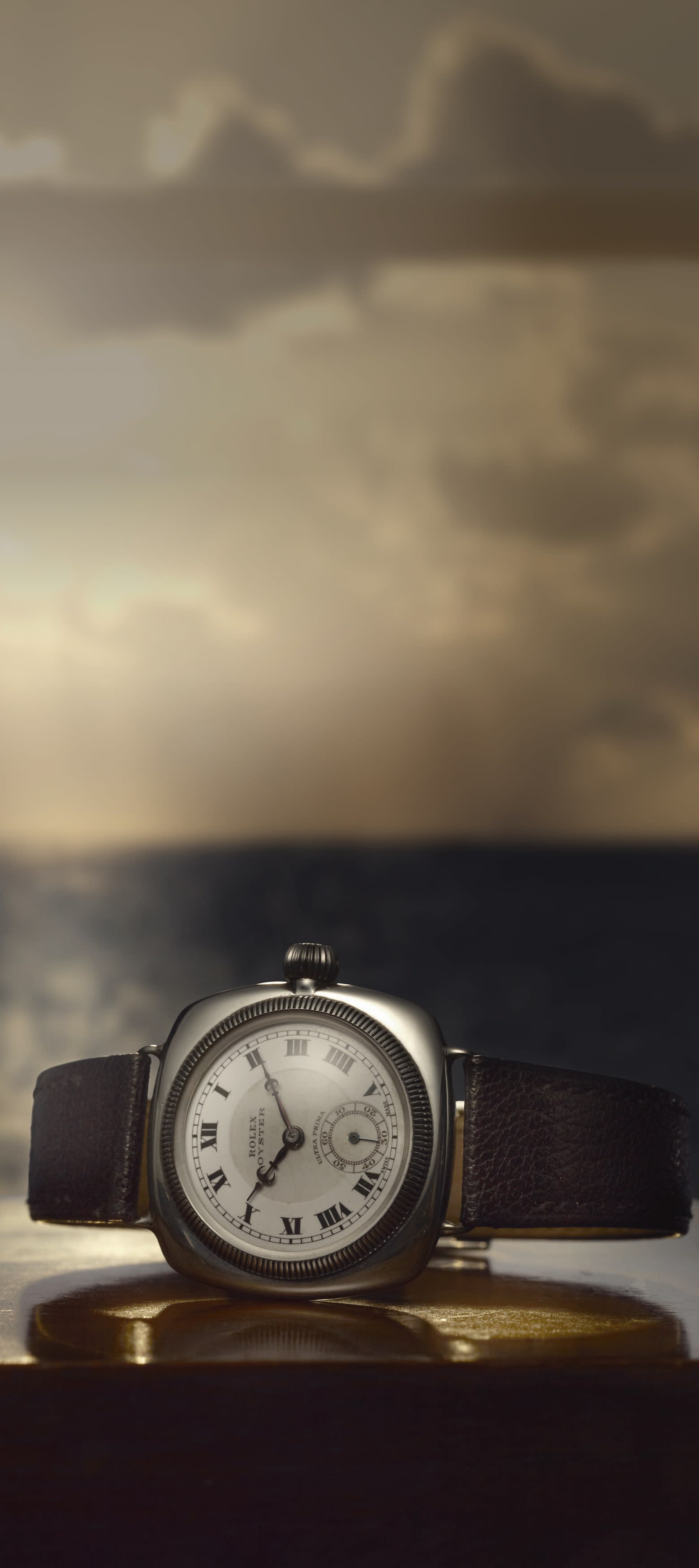
- 1926: In 1926, Rolex once again elevated the game by introducing the Oyster, the world’s first waterproof and dustproof watch case. This innovation decisively addressed the long‑standing vulnerability of wristwatches, ensuring durability and reliability in everyday wear.
- Năm 1931: In 1931, Rolex invented and patented the world’s first self‑winding mechanism featuring the Perpetual rotor. This breakthrough laid the foundation for all modern automatic movements that followed.
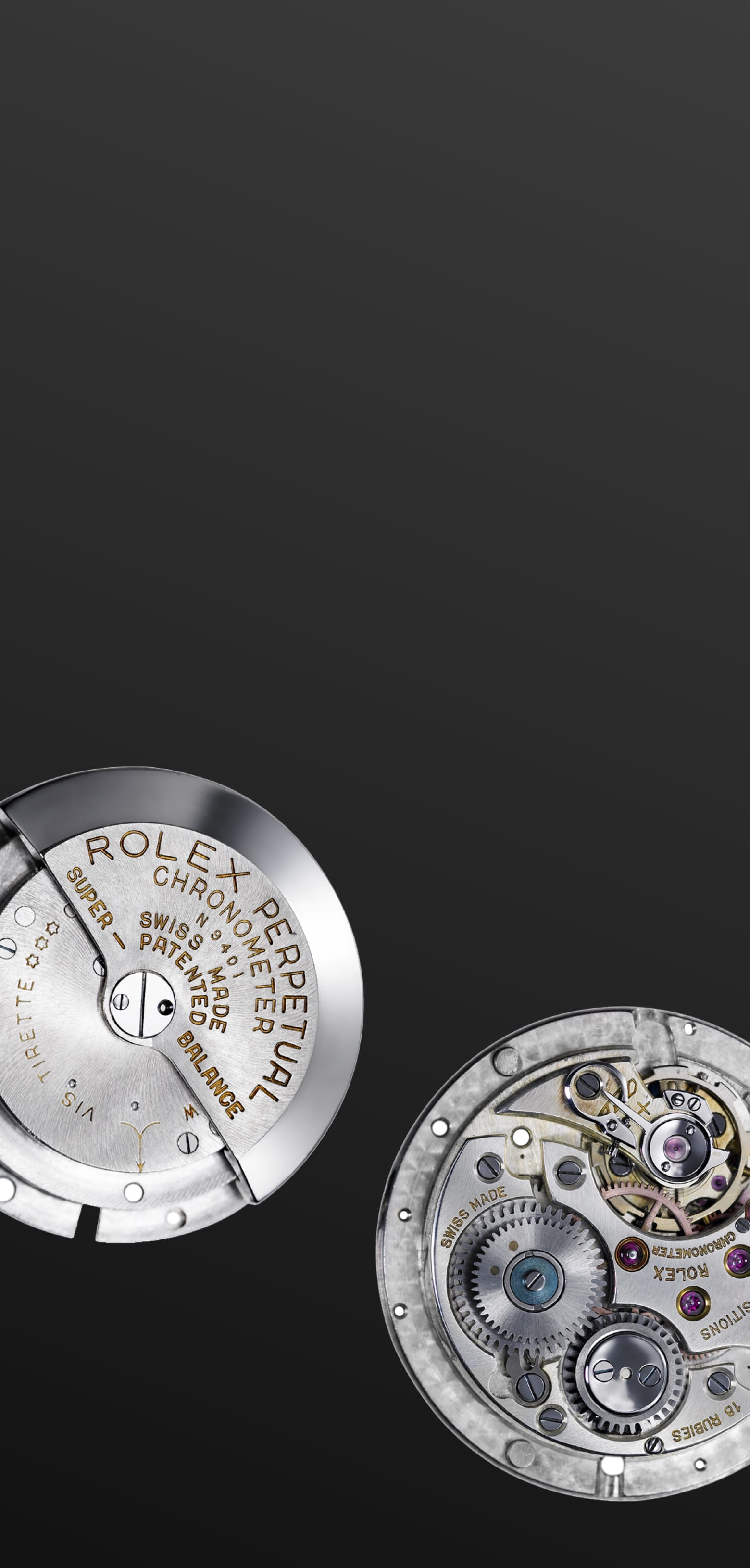
In 1945, as the world emerged from the shadow of World War II, Rolex also marked its 40th anniversary. To celebrate this golden milestone, the brand unveiled the very first Datejust, Reference 4467.
It featured an 18k yellow gold Oyster case, a 36mm diameter, a coin‑edge fluted bezel, and a date window positioned at 3 o’clock without the Cyclops lens.
2. Reference 4467 - The Birth of the Datejust
This revolutionary timepiece represented the convergence of three of Rolex’s most celebrated technical achievements:
- The Oyster case, offering absolute water resistance (heritage of 1926).
- The Perpetual rotor, enabling self‑winding movement (heritage of 1931).
- Certified chronometer precision, rigorously tested and guaranteed.
And it introduced a feature never seen before: an automatically changing date display at midnight, positioned at 3 o’clock. This complication was so groundbreaking that it immediately redefined dial architecture and set a new standard for the entire watchmaking industry, a benchmark that remains in place to this day.

Notes: The Datejust was not the first watch to feature a date display. In fact, date indications had already appeared on pocket watches as early as the early 1800s. For wristwatches, Movado introduced the first production model with a date window on the dial in 1915. However, it was the Datejust that truly became the first watch to feature an automatically changing date at midnight - which is a breakthrough that transformed the complication into the default standard across the industry.
For vintage collectors, Reference 4467 stands as a classic icon thanks to its unique early design details from Rolex:
- ‘Bubbleback’ case: To accommodate the robust Calibre 710 movement inside, the caseback of Ref. 4467 was designed with a rounded, protruding profile. This distinctive “turtle‑shell” shape, known as the Bubbleback, became an alluring hallmark in the eyes of enthusiasts.
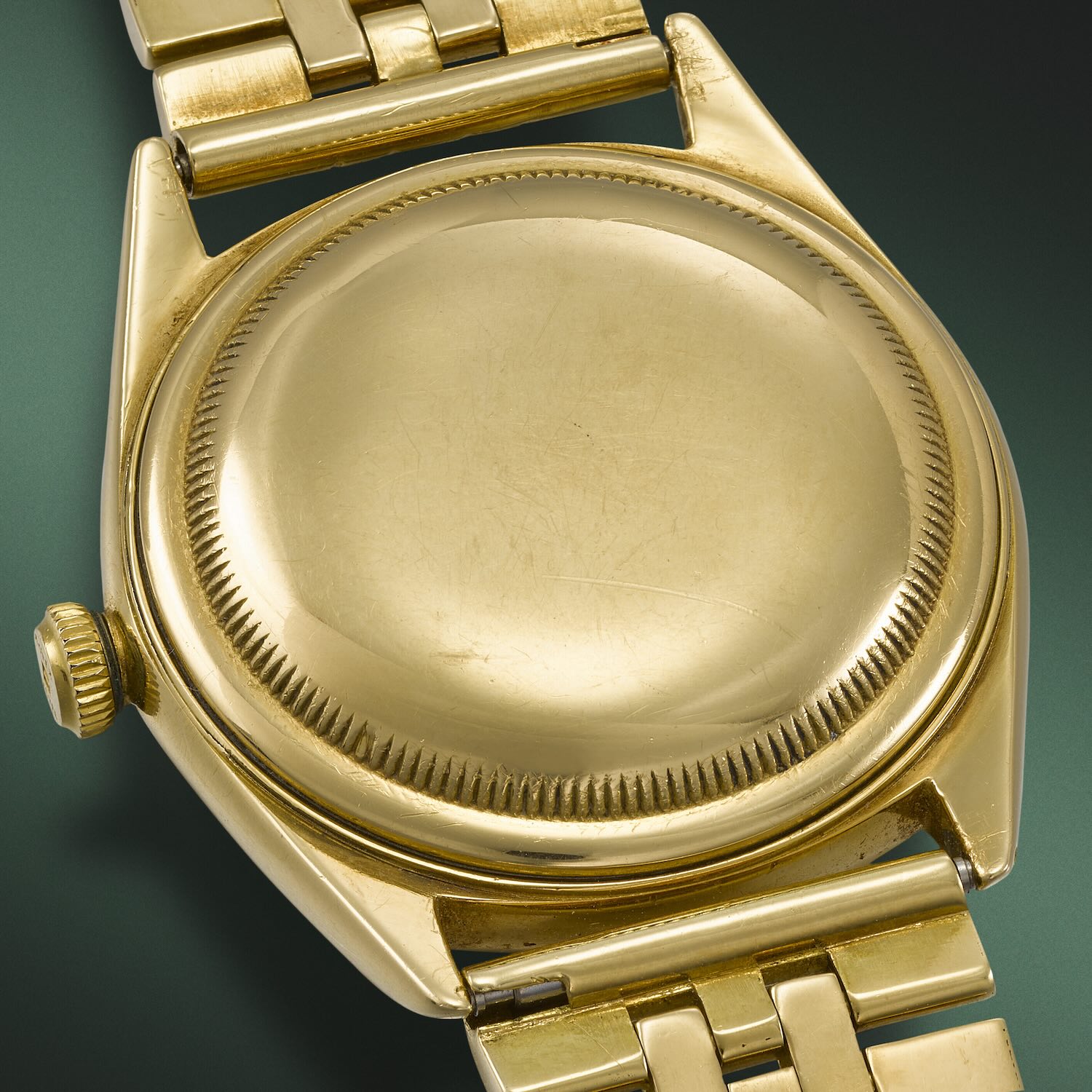
- The legendary Jubilee bracelet: On this anniversary occasion, Rolex introduced the Jubilee bracelet with its five‑link construction, designed specifically for Reference 4467. The fluidity and light‑catching brilliance of this five‑piece link design quickly transformed the Jubilee into one of the most recognizable bracelet styles in the entire history of watchmaking.
.jpg?mode=max)
- “Chronometer Only” dial: An interesting detail is that the earliest versions did not yet carry the name “Datejust” on the dial. Instead, they proudly displayed the word Chronometer. Accompanying this were dagger‑shaped hour markers crafted in solid gold and Alpha hands coated with original radium lume.
.jpg?mode=max)
At first, Rolex intended to produce only 100 pieces to commemorate the anniversary. However, the surge in demand and the wave of desire from the upper class soon led the brand to change its plan. Even so, the total production of Reference 4467 remained around 1,000 units, which was not a large commercial number.
Reference 4467 continued to be manufactured between 1945 and 1949 with several variations, which will be analyzed in detail in Blog 'Rolex Datejust History Part 2: A Comprehensive Reference Guide from Ref. 4467 to Contemporary Models.’
3. Innovations of the 1950s
Cyclops lens (1953–1954): A 2.5x magnifying glass for easier date reading
One of the most iconic improvements to the Datejust in the 1950s was the introduction of the Cyclops lens. First unveiled around 1953–1954, the Cyclops was a small magnifying lens affixed to the crystal, enlarging the date display by 2.5 times. This enhancement made the date far easier to read, especially under low‑light conditions, and quickly became a defining hallmark of Rolex design.
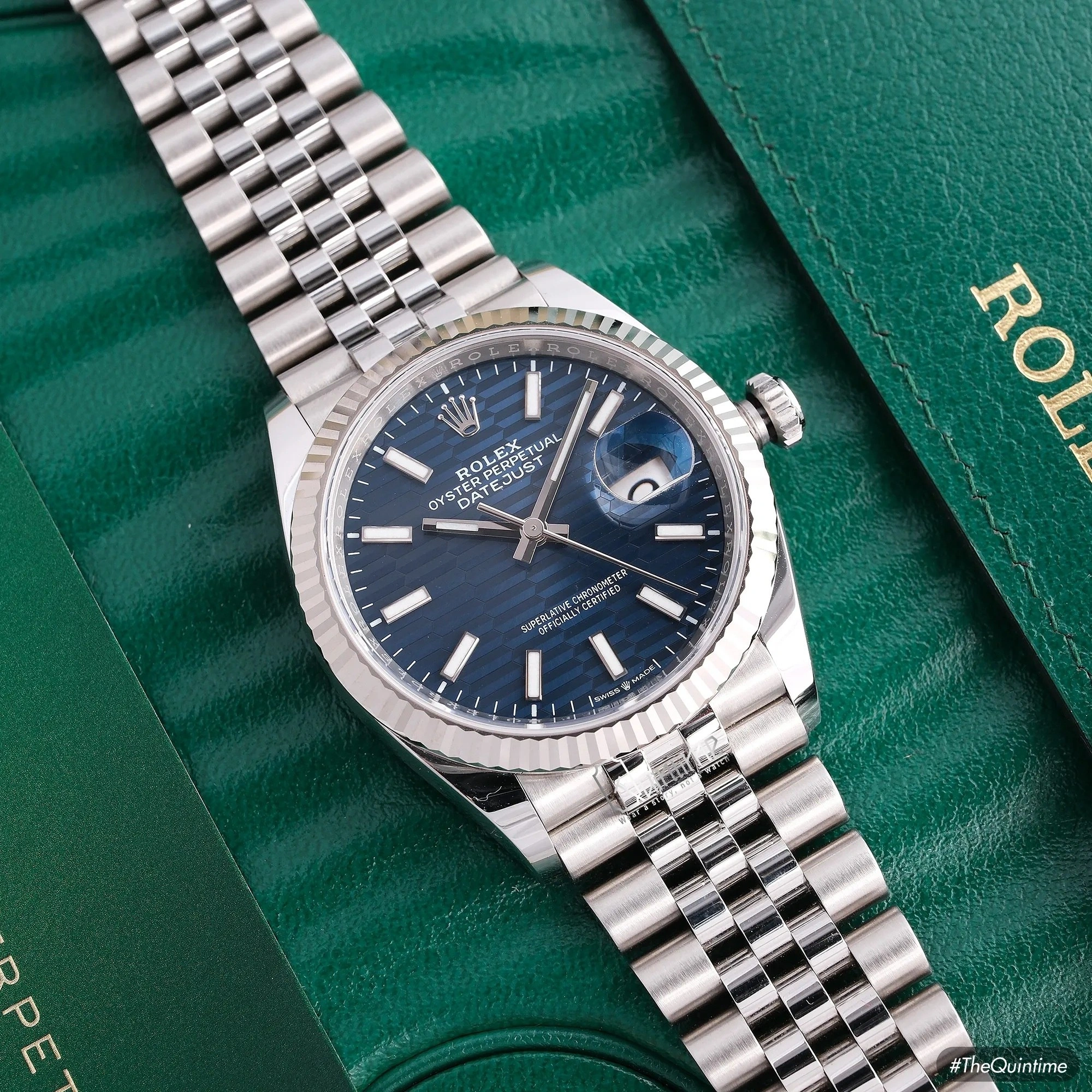
Turn‑O‑Graph (Thunderbird): The first rotating bezel
In 1954, Rolex launched the Turn‑O‑Graph, a variation of the Datejust featuring the brand’s very first rotating bezel. This function allowed the wearer to measure elapsed time, proving useful for both pilots and sports enthusiasts. The Turn‑O‑Graph was even chosen by the United States Air Force as a presentation watch for the Thunderbird squadron, which gave rise to its enduring nickname “Thunderbird.” This innovation paved the way for Rolex’s later tool watches, including the Submariner and the GMT‑Master.

The emergence of the Lady‑Datejust
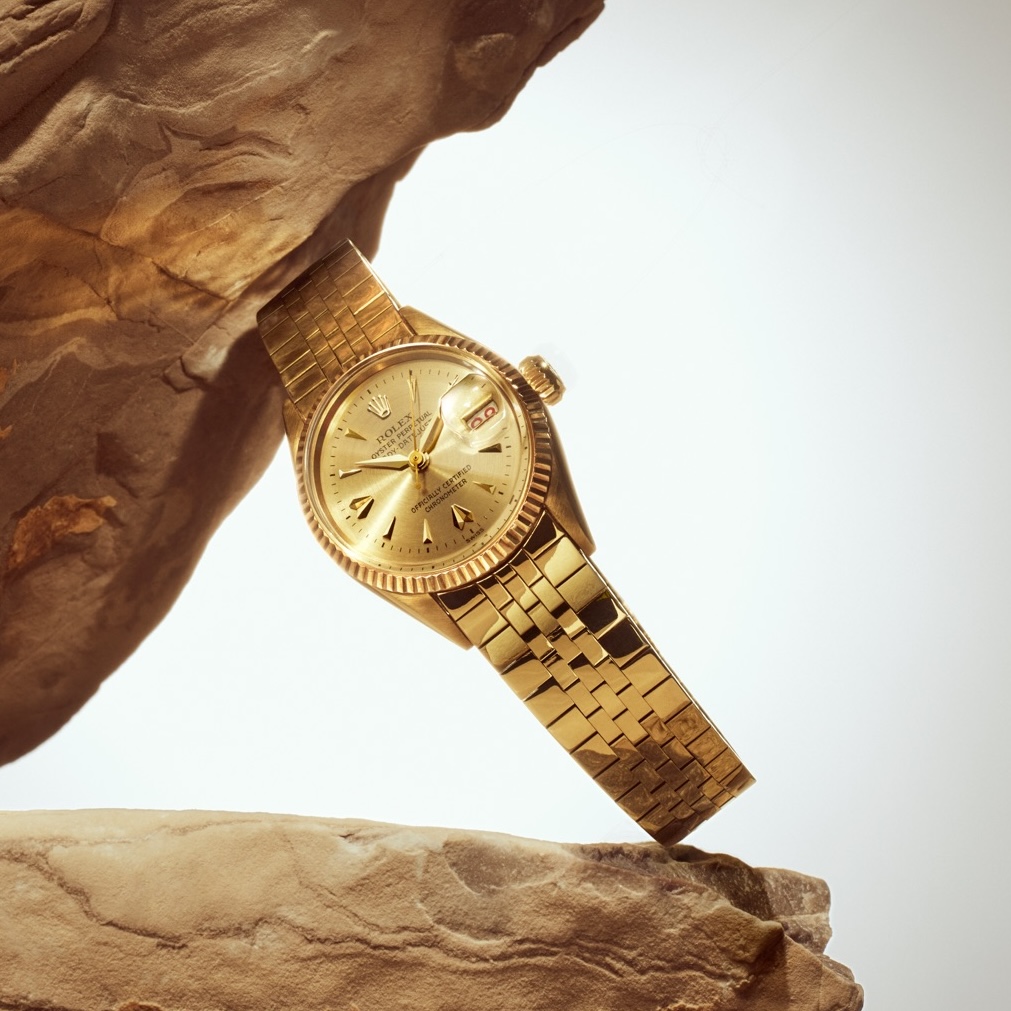
Toward the end of the 1950s, around 1957, Rolex expanded the Datejust line by introducing the Lady‑Datejust, a more compact version sized at 26mm for women. Despite its refined proportions, the Lady‑Datejust retained the full DNA of the Datejust: the date window, the Cyclops lens, and the elegant design. For this female clientele, Rolex offered additional variations, including a mid‑size 34mm in the 1950s, a 31mm in the 1960s, and eventually a 28mm in 2015. Yet many women continued to favor the 36mm men’s size, and their feedback proved overwhelmingly positive.
4. The 1960–1970 era
References 1600, 1601, 1603: Defining the classic Datejust style
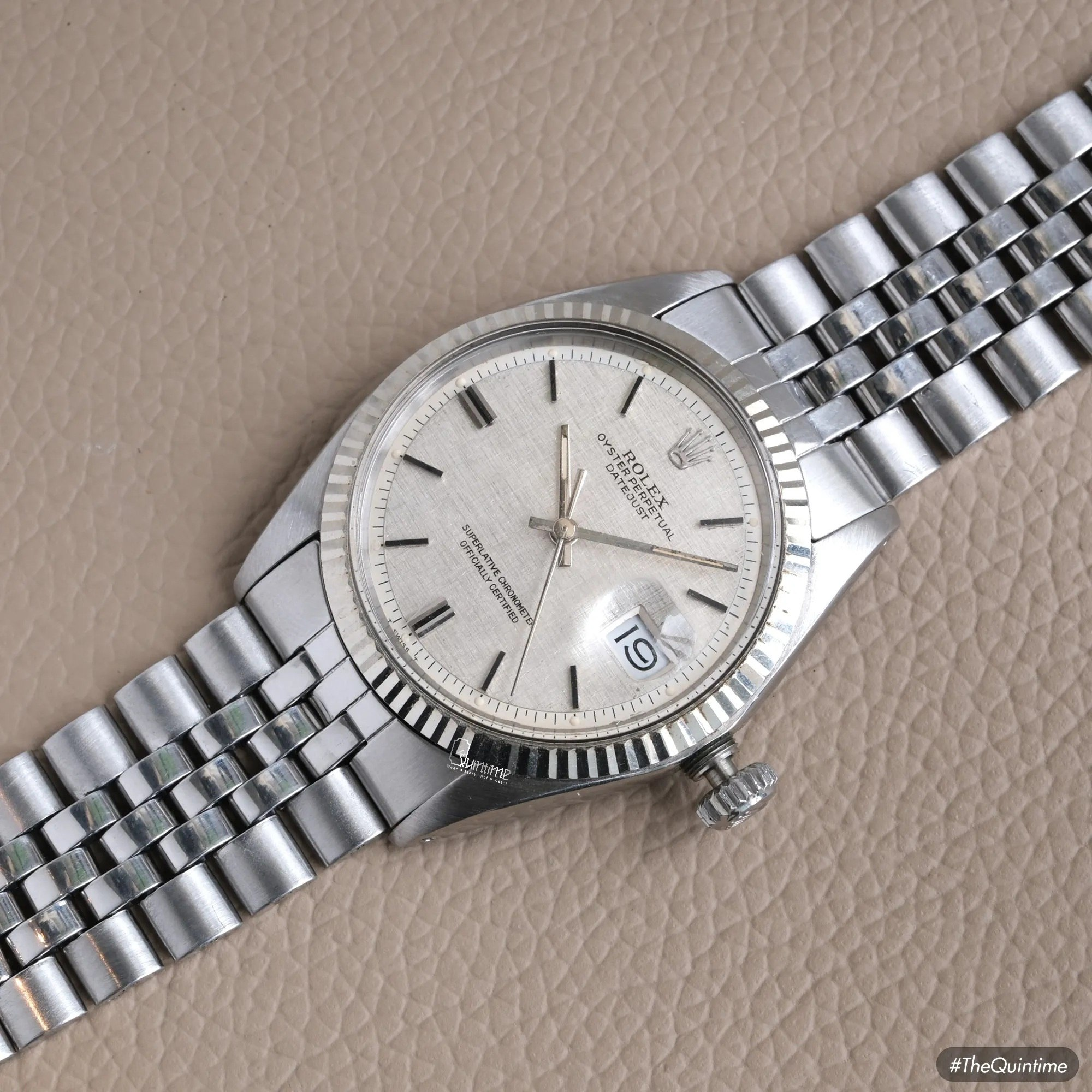
From 1958 to 1977, Rolex introduced the “four‑digit” 16XX series, highlighted by References 1600, 1601, and 1603, which are regarded as the models that shaped the classic Datejust aesthetic. During this period, the Datejust became more balanced, featuring a streamlined Oyster case, the familiar Cyclops lens, and a variety of bezel options: smooth (1600), fluted in gold (1601), and engine‑turned in steel (1603). Among them, the stainless steel Reference 1601 with a white‑gold fluted bezel was especially beloved, as this unique combination offered a watch that was relatively accessible while still incorporating a precious metal presence.
The introduction of Caliber 1570 in 1965 - Enhanced precision
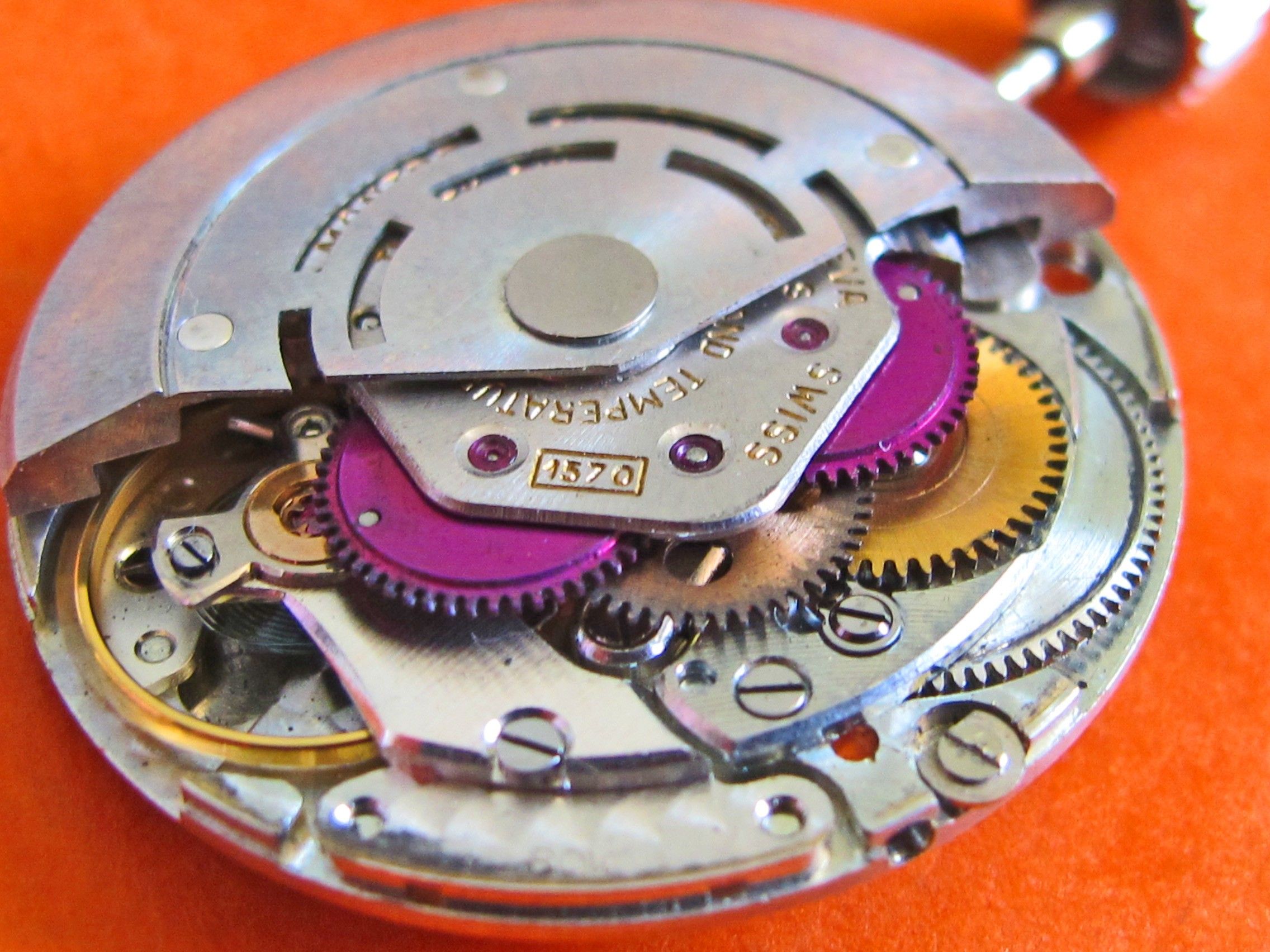
A major technical advancement of this decade was the arrival of the Caliber 1570 movement. This automatic caliber featured a hacking‑seconds mechanism, allowing the seconds hand to stop when setting the time, which enabled far more precise adjustments. Renowned for its durability and reliability, the Caliber 1570 became one of Rolex’s legendary movements, reinforcing the Datejust’s reputation as a watch that combined elegance with uncompromising accuracy.
Datejust as a symbol of leadership
In the 1960s, the Datejust was no longer just a watch; it became a symbol of authority and leadership. Prominent figures such as President Dwight D. Eisenhower, Prime Minister Winston Churchill, and Martin Luther King Jr. were all closely associated with the image of the Datejust on their wrists. Its presence in political and social circles elevated the watch into a global icon, representing prestige, success, and the essence of leadership style.

and Rolex Datejust Ref. 1601 Yellow Gold Champagne Dial & Fluted Bezel (From lecalibre)
5. The 1980-2000 era
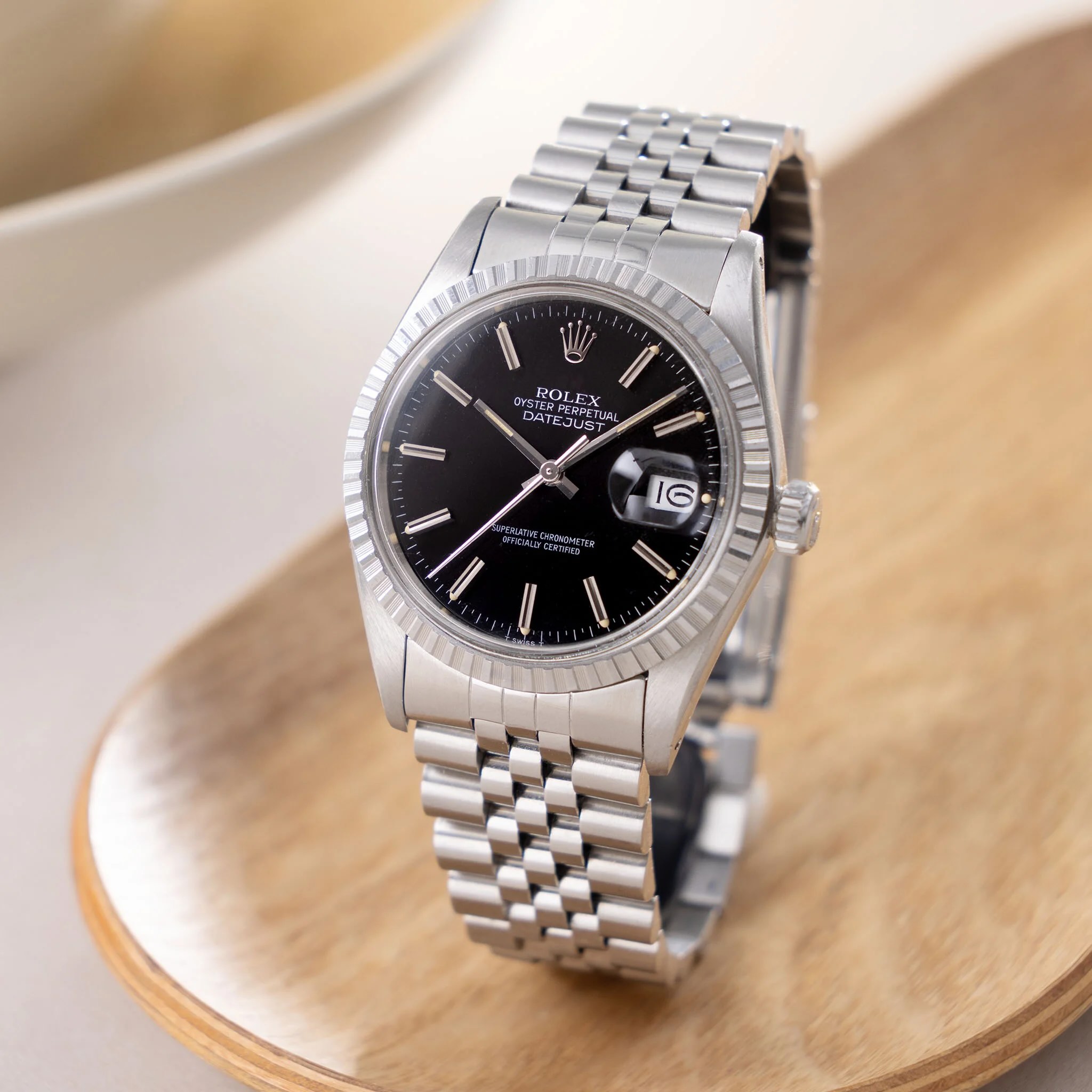
References 16013, 16014, 16030: The first QuickSet mechanism with Caliber 3035
From 1977 to 1988, the Datejust entered its modern phase with the introduction of the early “five‑digit” Rolex references. This generation was marked by the debut of the QuickSet function, made possible by the Caliber 3035 movement launched in 1977. The QuickSet allowed the wearer to adjust the date directly through the crown, rather than laboriously advancing the hands one day at a time as before.
References 16233, 16234: Sapphire crystal and Caliber 3135
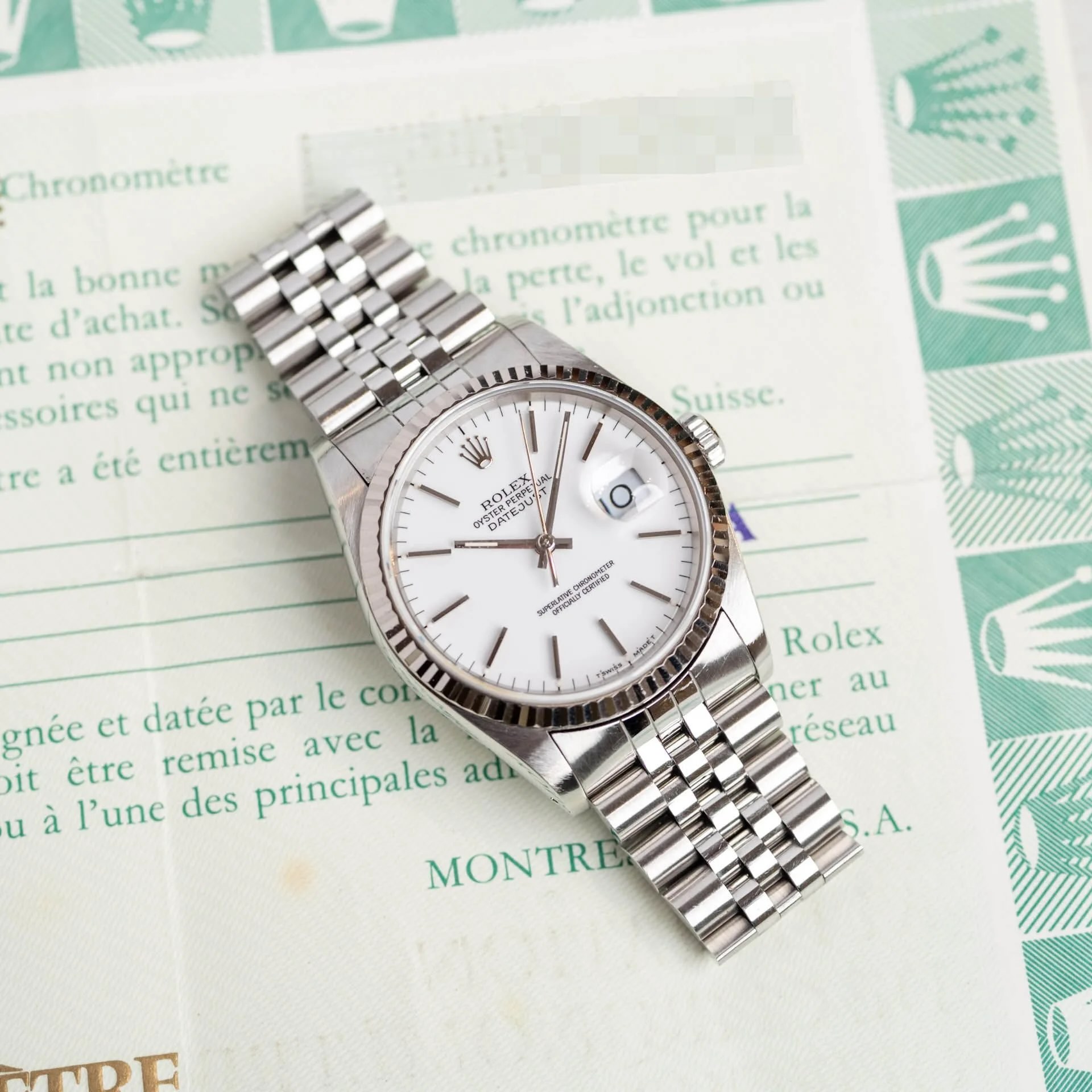
From 1988 to 2004, the five‑digit Datejust references evolved with the introduction of Reference 16233 (Rolesor in yellow gold and steel) and Reference 16234 (steel with a white‑gold fluted bezel). The most notable advancement was the addition of scratch‑resistant sapphire crystal, replacing the earlier acrylic, along with the Caliber 3135 movement - one of Rolex’s most durable and precise automatic calibers. This marked a significant step forward, ensuring the Datejust remained both reliable and practical for everyday wear.
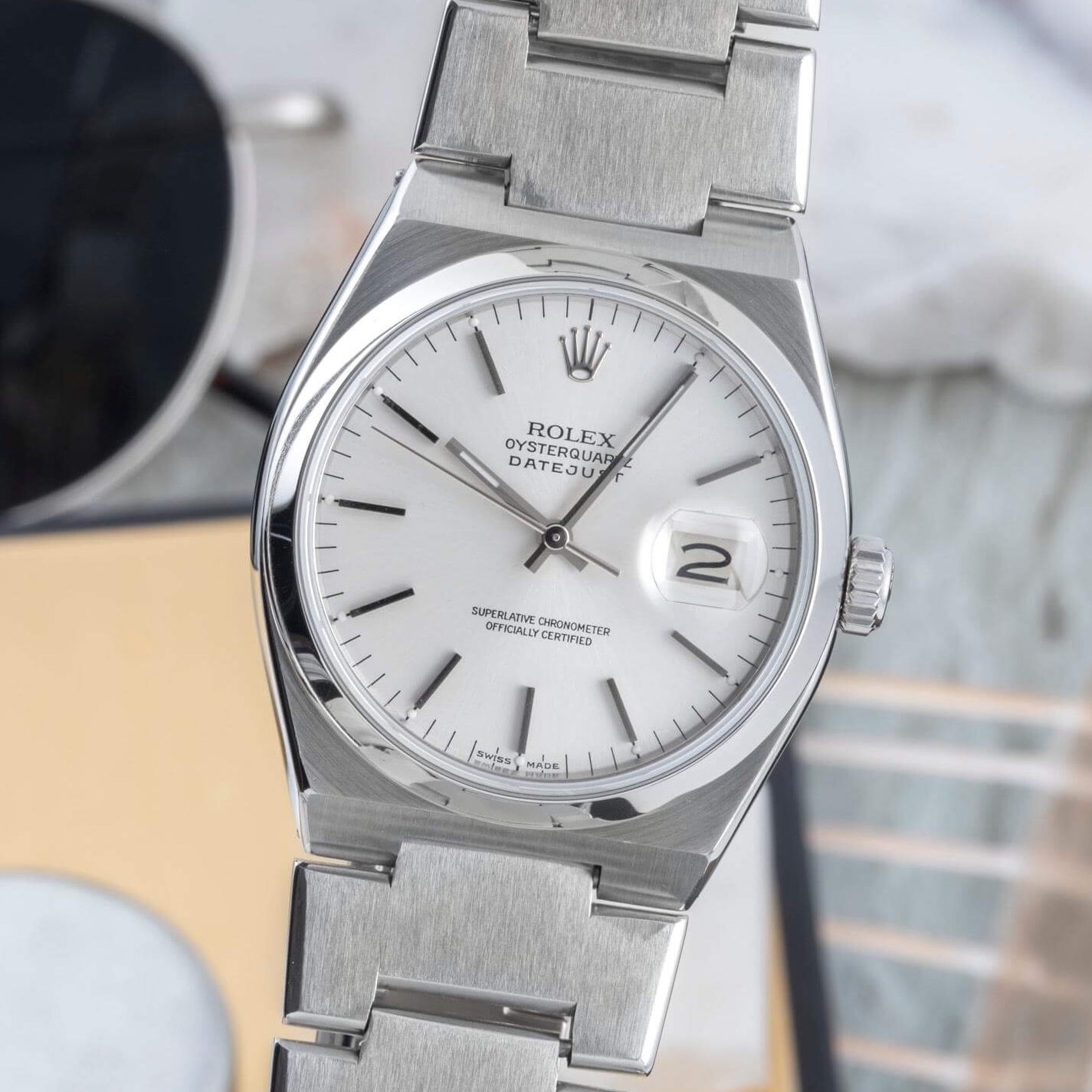
Rolex Oysterquartz Datejust (1977–2004) - Adapting to the Quartz Crisis
In 1977, Rolex introduced the Oysterquartz Datejust, a bold move in the midst of the “Quartz Crisis” that was shaking the Swiss watch industry. This was a Datejust powered by a quartz movement developed in‑house by Rolex, combining the high accuracy of battery technology with the brand’s traditional craftsmanship.
The Oysterquartz Datejust featured an angular case and integrated bracelet design, setting it apart from the classic Datejust aesthetic. Notable references included 17000 (stainless steel), 17013 (Rolesor in yellow gold and steel), and 17014 (steel with a white‑gold fluted bezel). The design carried a distinctly modern character, reflecting the style sensibilities of the 1970s and 1980s.
Datejust II - A larger size for modern trends, paving the way for the Datejust 41 (2016)
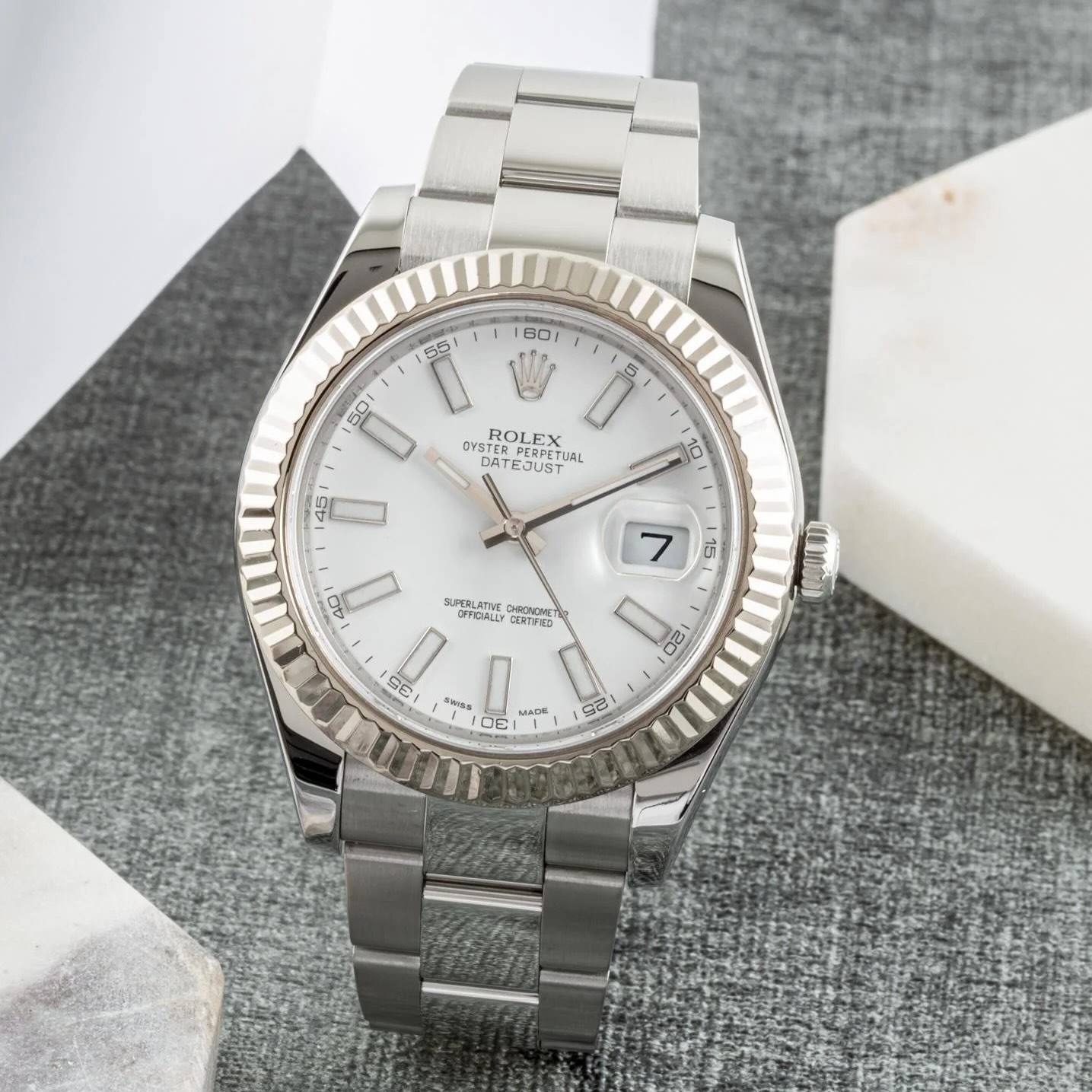
From 2009 to 2016, Rolex made a historic change with the launch of the Datejust II, which for the first time increased the case size from 36mm to 41mm. This decision was controversial, as Rolex had long been known for its conservative approach and strong attachment to tradition, rarely making such bold changes. Beyond the larger dimensions, the Datejust II carried a more powerful and assertive design, with thicker lugs and a broader bezel, reflecting the prevailing trend of oversized watches and appealing to younger clients who sought a stronger wrist presence. This model laid the foundation for Rolex to refine the design further and introduce the Datejust 41 in 2016.
Datejust as the watch of “everyday luxury”
During the period from 1980 to 2000, the Datejust was not only a historical icon but also became the quintessential “everyday luxury” watch - luxurious yet perfectly suited for daily wear. From business leaders to artists, the Datejust appeared as a statement of style, combining elegance with practicality.

6.6. The modern era (2006-present)
References 116233, 126234: Upgraded movement, larger clasp, and convinient Easylink
Từ năm 2006, Rolex tiếp tục nâng cấp 'Datejust 6 số' với các reference 116233 (Rolesor vàng – thép) và 126234 (thép với bezel vàng trắng fluted). Những cải tiến đáng chú ý gồm bộ máy thế hệ mới với độ chính xác cao hơn, clasp lớn hơn giúp thao tác chắc chắn, và hệ thống Easylink cho phép điều chỉnh dây nhanh chóng thêm 5mm - một tiện ích rất thực tế cho người dùng hàng ngày.
Datejust 41 (2016–present): The perfect successor to the Datejust II
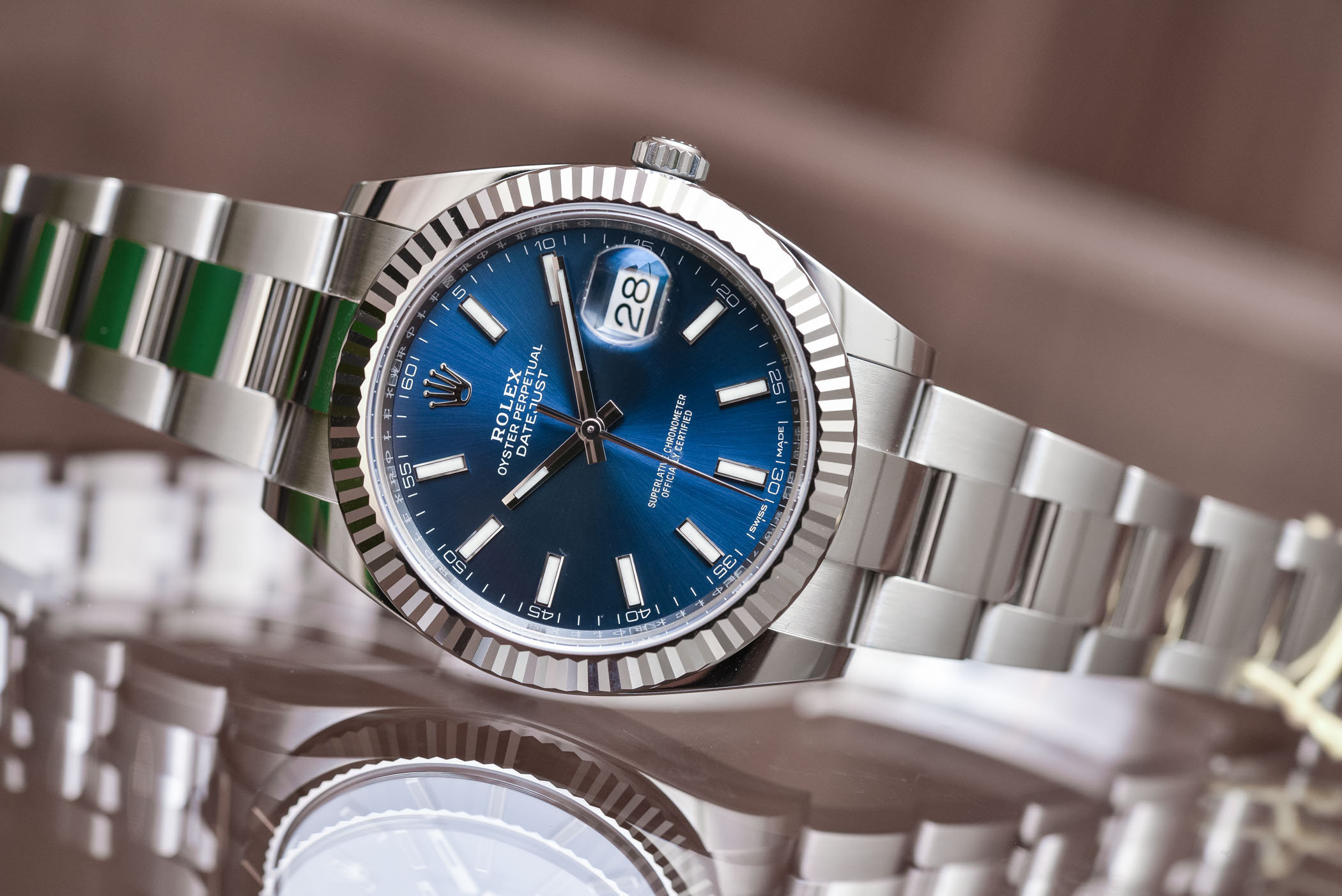
After the launch of the Datejust II and the debates it stirred, Rolex refined the design to create the Datejust 41 in 2016. The new model retained the 41mm size but achieved a more balanced look: slimmer lugs and a bezel that harmonized with the case, delivering elegance rather than the heavier feel of the Datejust II. It represents a seamless blend of modern style with the classic DNA that has defined the Datejust’s legacy.
Caliber 3235 - A technological breakthrough
The Datejust 41 is equipped with the Caliber 3235, a new‑generation movement featuring the Chronergy escapement, which enhances efficiency and precision while extending the power reserve to 70 hours. This represents a major technical advancement, ensuring that the Datejust 41 is not only refined in design but also powerful in performance - perfectly suited to the demands of modern daily wear, and still in use today.
Variety in sizes and materials
In the modern era, the Datejust has become more diverse than ever. Rolex offers a wide range of sizes - 28mm, 31mm, 36mm, and 41mm - suitable for both men and women. The materials are equally versatile, including stainless steel, yellow gold, white gold, Everose pink gold, and two‑tone Rolesor combinations. This breadth of options makes the Datejust a highly adaptable choice, capable of meeting different styles and needs.

Conclusion: 80 years of the Rolex Datejust
Over the course of 80 years, the Rolex Datejust has evolved from the very first Reference 4467 in 1945 to modern iterations such as the Datejust 41. This article has traced the journey of the Datejust, from iconic innovations like the Cyclops lens and the Caliber 1570 movement, to the introduction of the Oysterquartz and the Datejust II, and finally to the Datejust 41 powered by the Caliber 3235. Through each decade, the Datejust has continually advanced while preserving its classic DNA, becoming a watch that embodies both heritage and modern relevance.
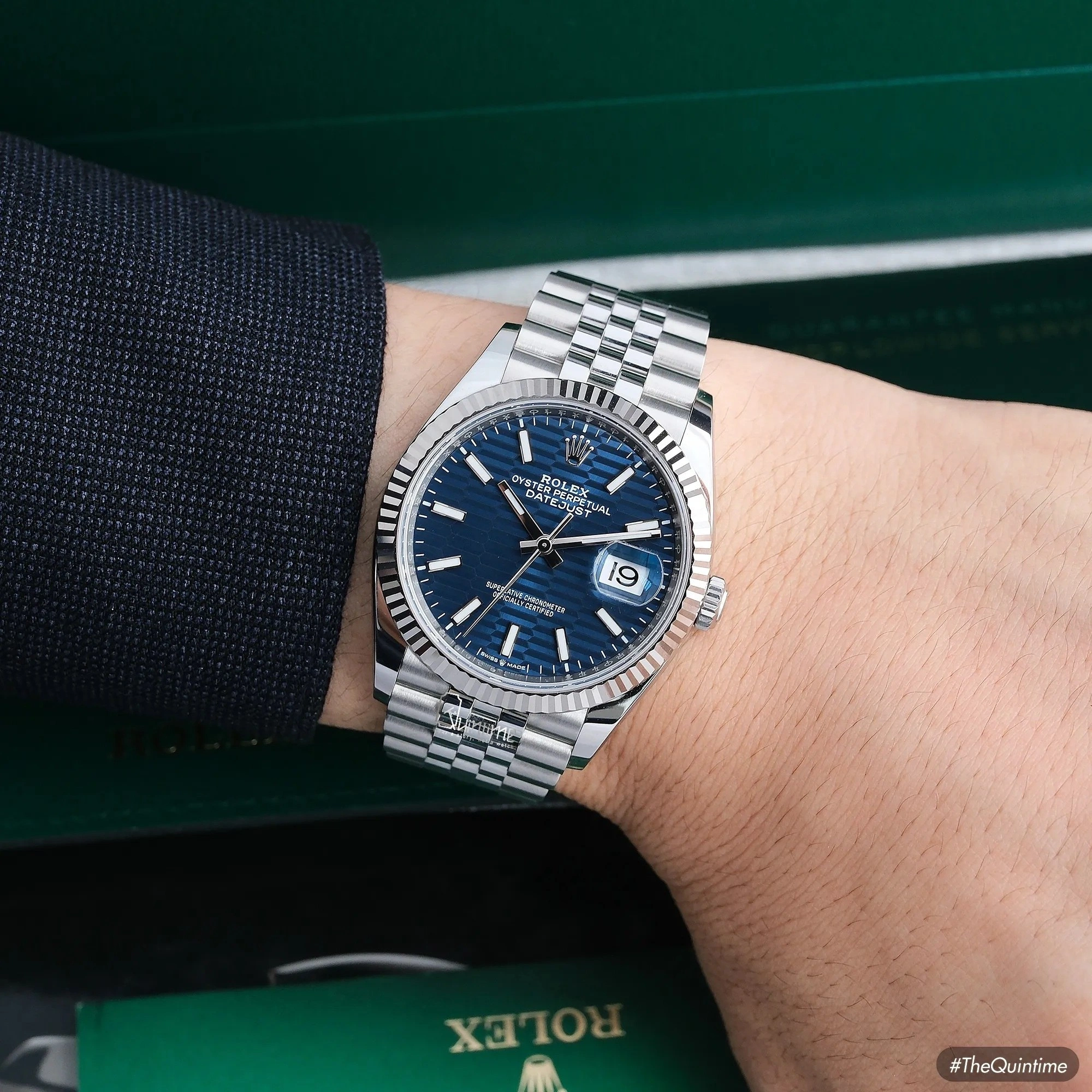
Today, the Datejust is regarded as a “timeless icon” of Rolex - an enduring symbol of elegance, achievement, and everyday practicality. It is more than just a watch; it stands as proof of Rolex’s ability to adapt and innovate across eight decades.
In the next blog, we will explore each reference, movement, and collectible value in greater depth, to see how every generation of the Datejust has contributed to building this legend.
_MGN


