
Omega Aqua Terra Beijing 2022 "Snow White Dial": 90 Years as Official Olympic Timekeeper (Ref. 522.10.41.21.04.001)
.webp&w=3840&q=75)
I. Ninety Years of Timing: From Thirty Chronographs to Millionths of a Second
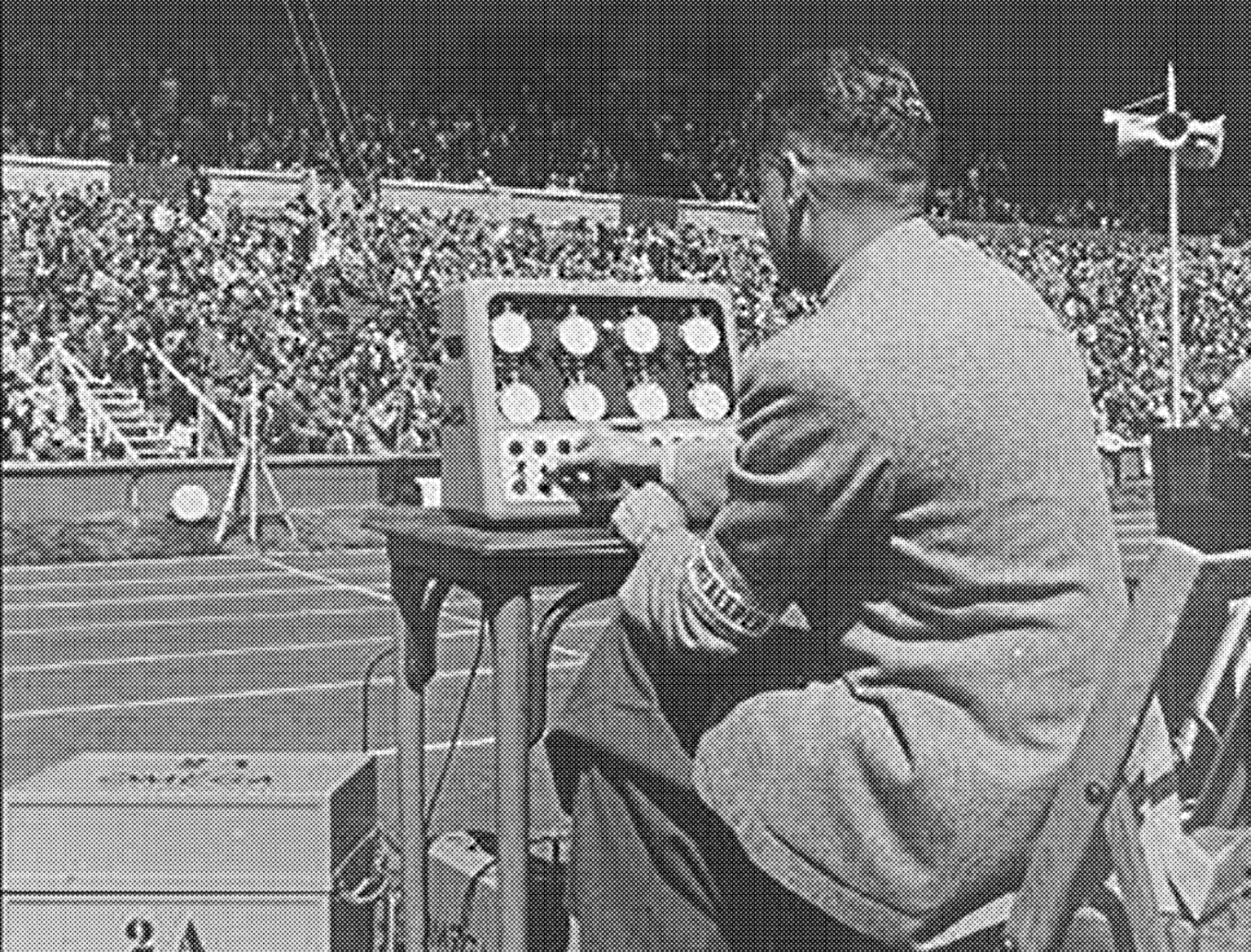
Before 1932, Olympic timekeeping lacked a centralized system. Referees brought their own stopwatches, often mechanical pieces from different brands. Scales varied: most measured to 1/5 second, some to 1/10, and Heuer’s Mikrograph (introduced in 1916) could reach 1/100 second. Without a standard, results depended on the operator’s skill and the device used. In sprint events, fractions of a second could change rankings, making inconsistency a serious issue.
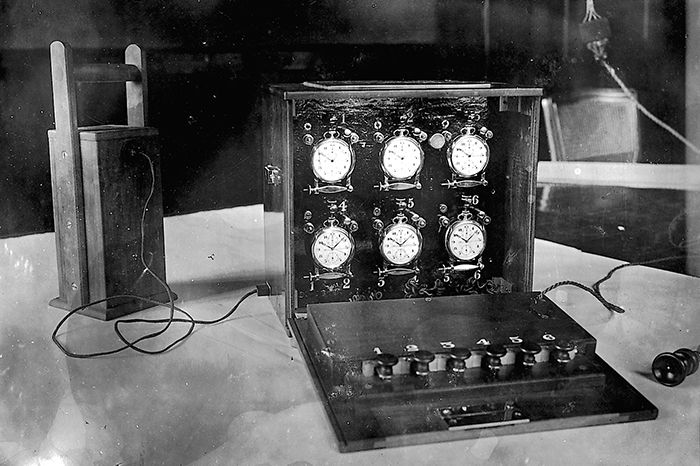
At Los Angeles 1932, a single watchmaker flew from Biel carrying thirty Omega Calibre 1130 chronographs, each accurate to 1/10 second. Compared to Heuer’s Mikrograph, this seemed modest. Yet paradoxically, 1/100-second precision was not practically useful: human reaction error when pressing start/stop exceeded that margin, and IOC officially recognized results only to 1/10 second.
Source: Compiled from the Internet
Thus Omega’s strength lay not in theoretical precision but in providing a reliable, unified system. One man, one suitcase, thirty chronographs — that was the infrastructure for timing 1,334 athletes in 1932. Amid the Great Depression, simplicity and dependability became advantages: IOC had one accountable partner, and results were standardized.
Source: Compiled from the Internet
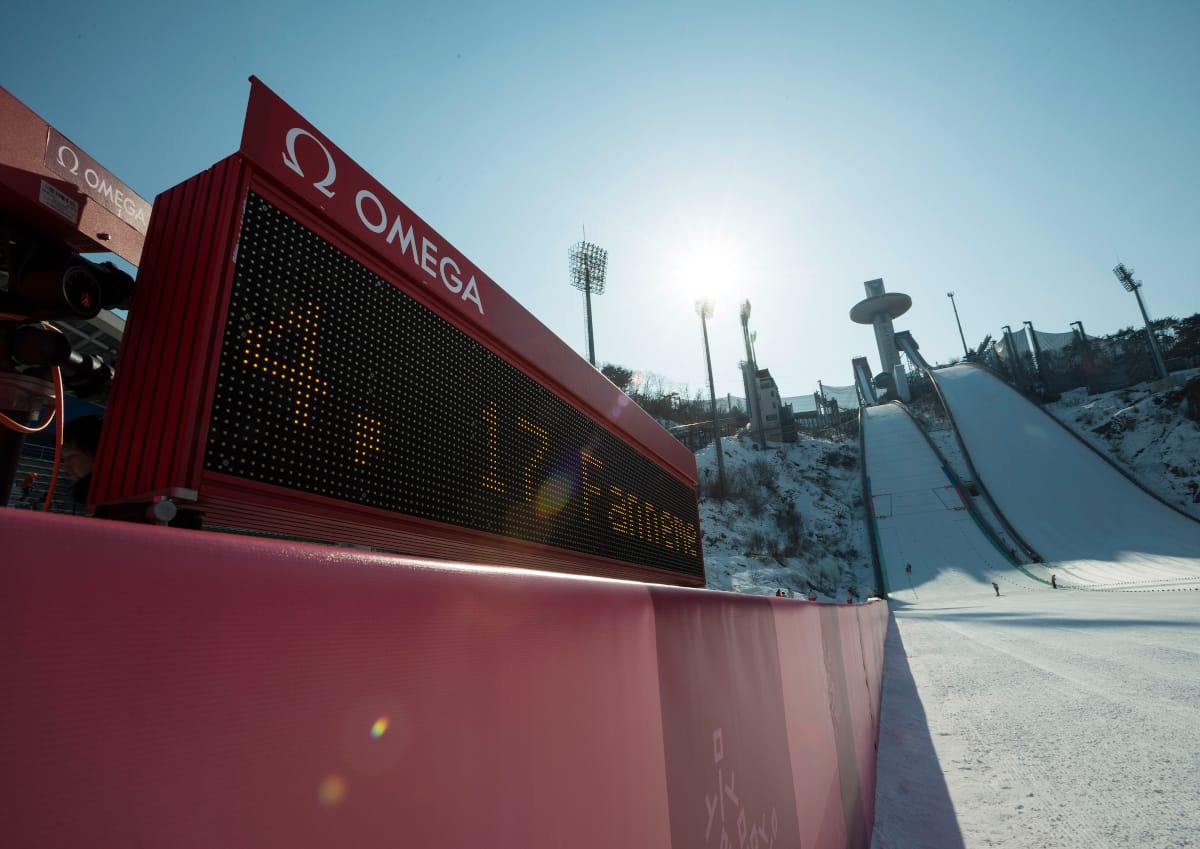
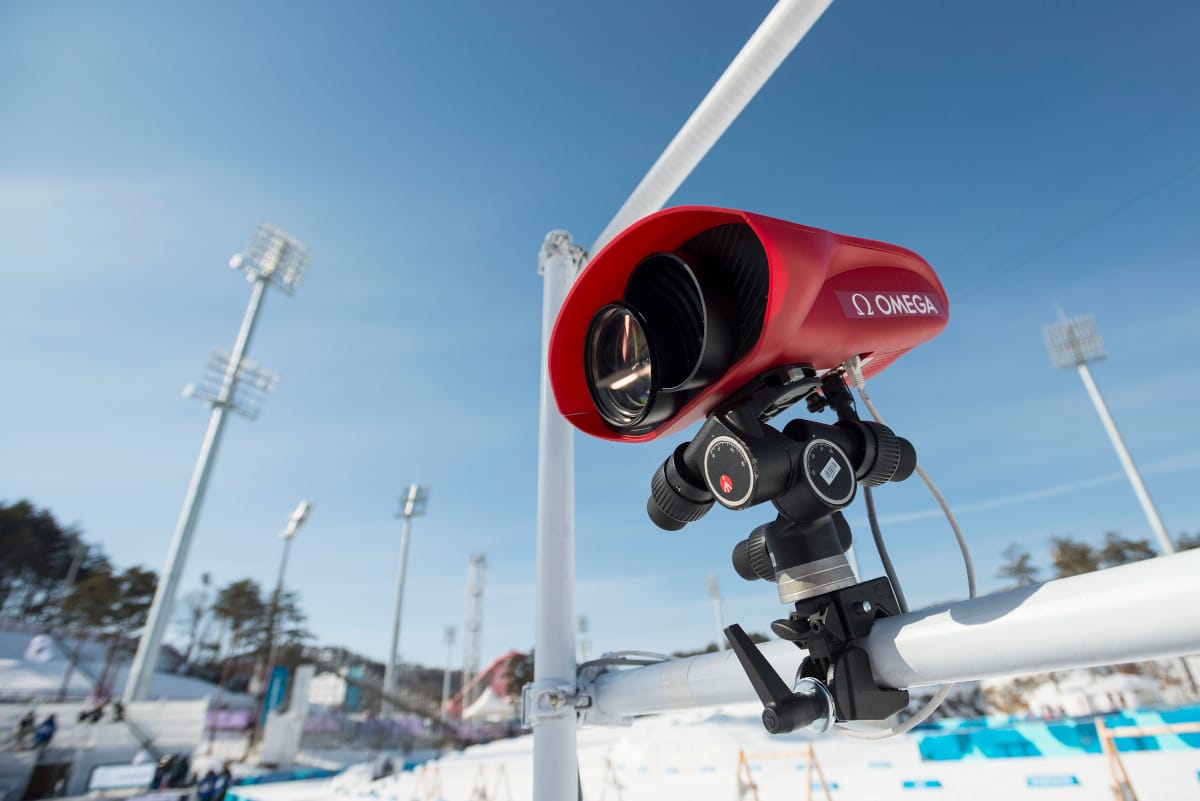
Ninety years later, at Beijing 2022, Omega deployed 300 timekeeping experts and 200 tons of equipment to record 109 events across seven sports. High-speed cameras captured 10,000 frames per second, and the Quantum Timer measured to a millionth of a second. Its daily deviation was just 23 nanoseconds — the time light travels a few meters.
Source: Compiled from the Internet
The leap from thirty mechanical chronographs to a microsecond-level infrastructure is not mere progress but a technological revolution.
Source: Compiled from the Internet
II. Why Aqua Terra, And Why Beijing 2022 Stands Out
Omega’s Olympic commemorative tradition began in Melbourne 1956 with two 18K gold Seamasters. Since then, not every Games has had a new model; the brand chose special occasions. Each commemorative piece interprets the spirit of its Games through design and technology.
Source: Compiled from the Internet
Recent history shows a pattern:
- London 2012: Aqua Terra chosen, symbolizing balance between land and sea — fitting for Britain’s maritime heritage.

Source: Compiled from the Internet
- Rio 2016: Three models launched — Diver 300M, Bullhead, Speedmaster Mark II — reflecting Rio’s vibrant, festive atmosphere.
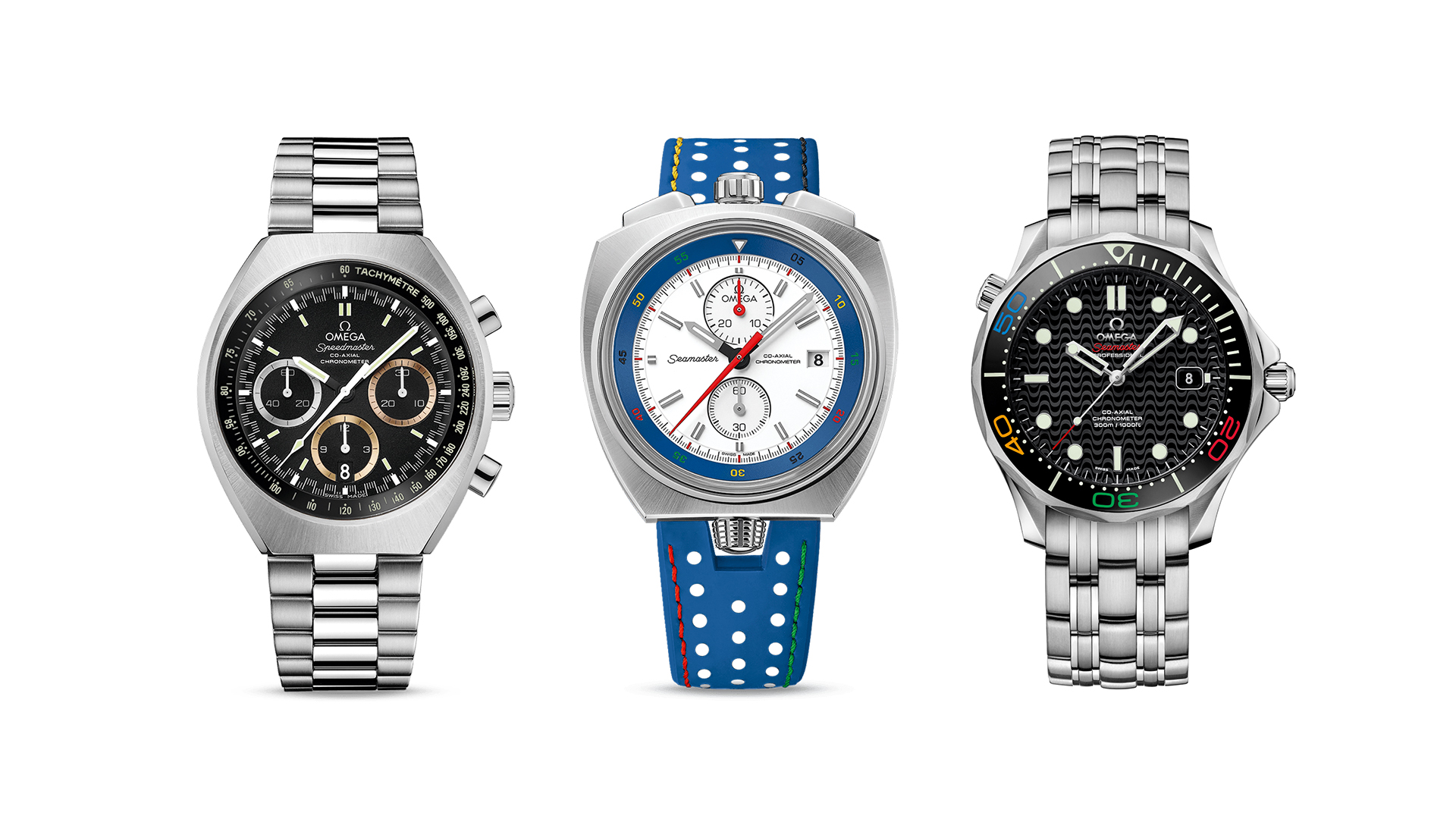
- PyeongChang 2018: Aqua Terra and Planet Ocean, with blue-red accents evoking Korea’s flag, embodying discipline and elegance.

- Tokyo 2020: Aqua Terra with blue ceramic dial inspired by traditional Japanese wave motifs.
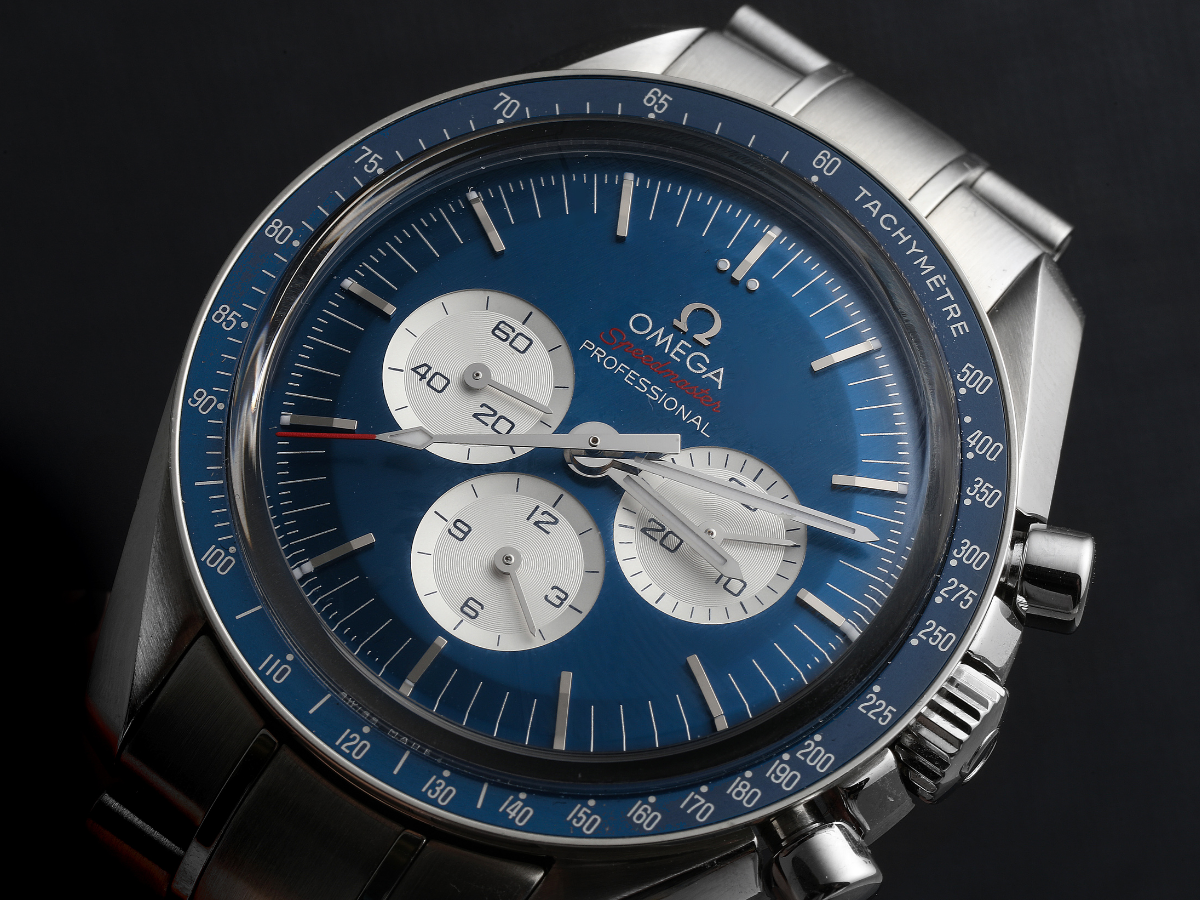
- Beijing 2022: Aqua Terra with snow-white dial, translating Beijing’s harsh winter climate into design language.
.webp)
The rule is clear: Aqua Terra represents understated refinement, while Seamaster/Speedmaster express cultural vibrancy.
Beijing 2022 is distinct for three reasons:
- First Aqua Terra with a snow-effect 3D ceramic dial — sculpted terrain rather than flat ceramic.
- Rarely has an Olympic watch translated climate into design. Here, -17°C winter became a palette.
- It marks the 30th Games and 90 years of continuous timekeeping — a deeper significance than commemorating a single edition.
Above all, Beijing 2022 carries Master Chronometer certification — the highest technical standard today, requiring METAS tests for accuracy, anti-magnetism, durability, and performance. It is not just commemorative, but a showcase of modern horology.
III. Beijing 2022, Details
Dial: White ceramic with three-dimensional glacier-like architecture. Dual layers: polished base evoking frozen lakes, shimmering snow overlay.
.webp)
Hands & Indices: Blued steel, created by heat treatment, not coating. On white ceramic, the blue evokes metal immersed in snow.
.webp)
Lume: White Super-LumiNova glowing green, maintaining cold-tone consistency day and night.
.webp)
Red Accents: Quarter markers and “Seamaster” text in red — the only deliberate warm contrast.
.webp)
Case: 41mm stainless steel, short lugs for balanced proportions.
.webp)
Movement: Calibre 8900, Master Chronometer certified, resistant to 15,000 gauss.
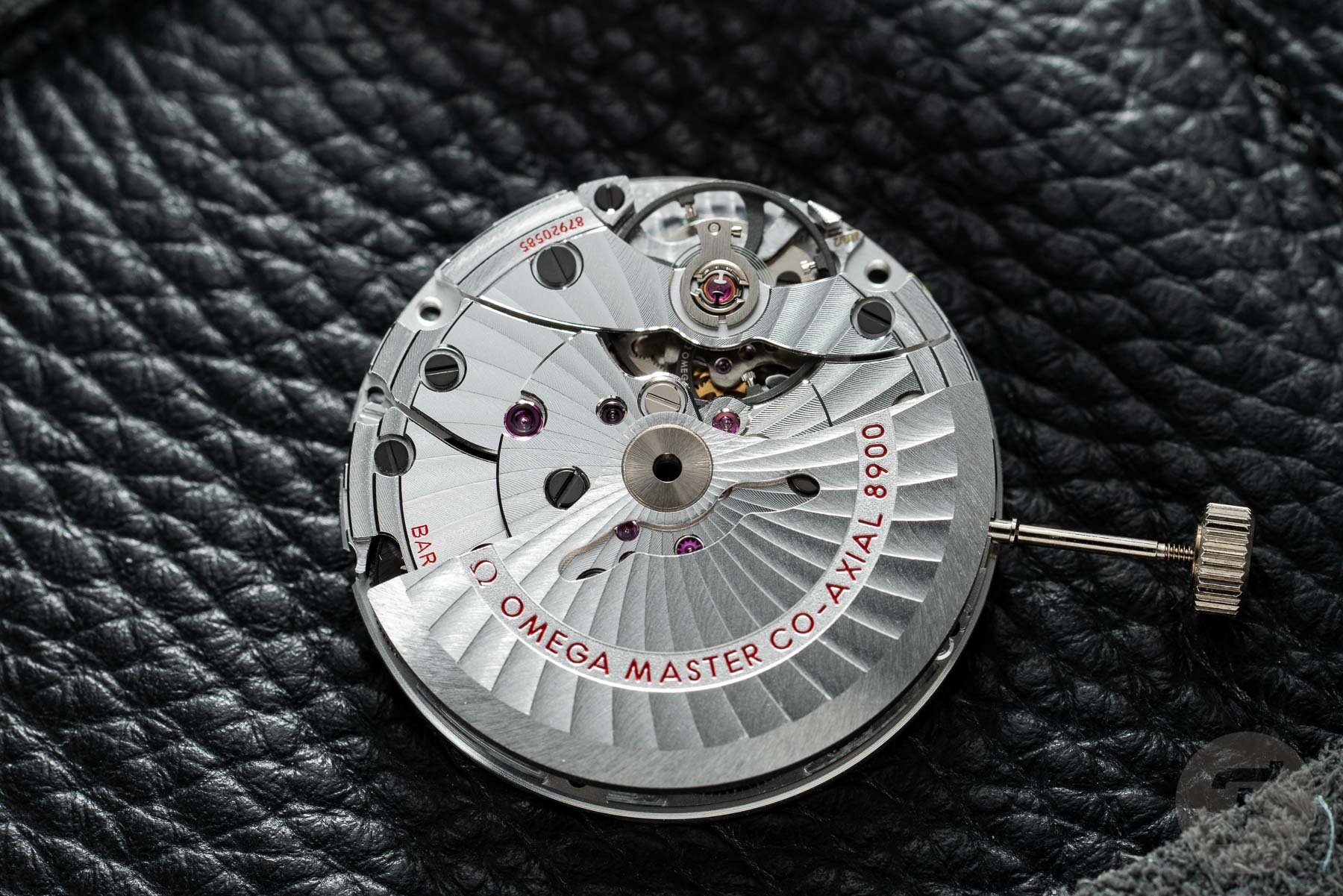
Caseback: Solid, engraved with Beijing 2022 Olympic logo. Limited production (about one year), but not individually numbered.
.webp)
IV. What Does an Olympic Watch Truly Commemorate?
At the Olympics, time defines victory — millionths of a second separate gold from silver. For 90 years, Omega has been the sole trusted authority to certify those margins.
An Olympic watch embodies two values:
- Timekeeping history: proof of Omega’s continuous role in recording athletic achievement.
- Watchmaking craft: demonstration of the brand’s technical peak at the time of release.
The Aqua Terra Beijing 2022 exemplifies this duality: 3D snow ceramic dial, blued steel hands, Calibre 8900 Master Chronometer. It reflects Beijing’s winter climate while affirming modern horological mastery.
Its significance lies not in market hype but in being one of the few commemoratives where Olympic tradition, timekeeping technology, and the highest watchmaking standards converge in a single 41mm design.
Quick Specs, Aqua Terra Beijing 2022
- Reference: 522.10.41.21.04.001
- Movement: Calibre 8900, Master Chronometer (METAS)
- Case: Stainless steel, 41mm
- Dial: Snow-effect white ceramic
- Water resistance: 150m
- Anti-magnetism: 15,000 gauss
- Release: 2021, commemorating Beijing 2022


