
Chronograph – Why does it still exist today?
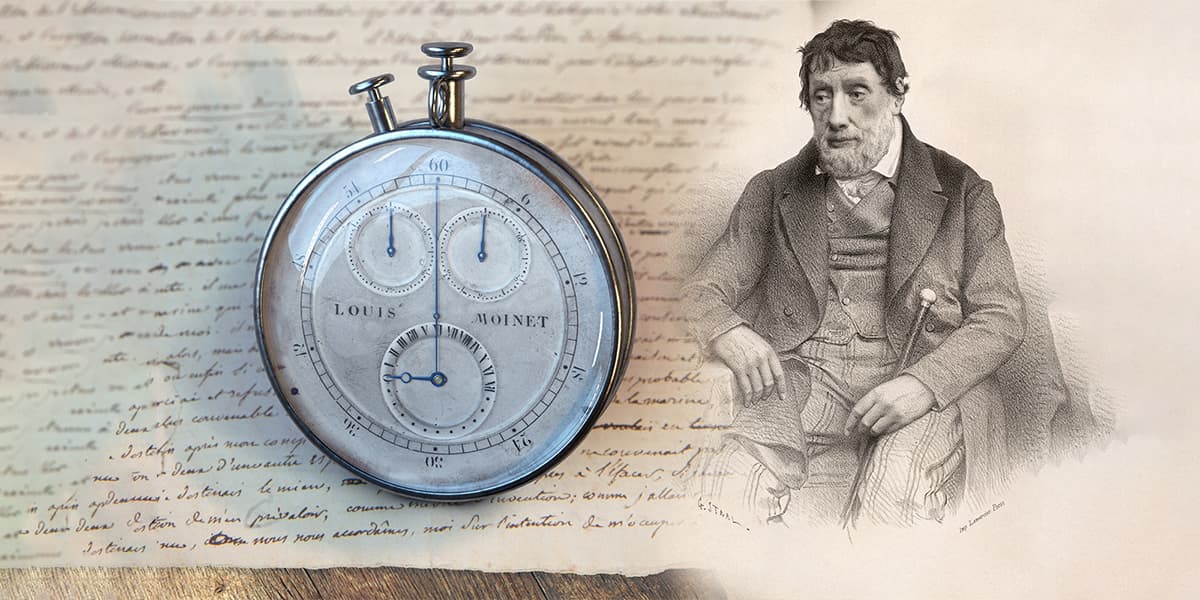
When I first stepped into the world of watches, I couldn’t help but wonder: in an age where smartphones can time events down to a thousandth of a second, why do mechanical watches still keep the chronograph (bấm giờ)? It feels… unnecessary—yet strangely mysterious. And it was that curiosity that led me to follow the fascinating story behind it.
From “Compteur de Tierces” to the racetrack…
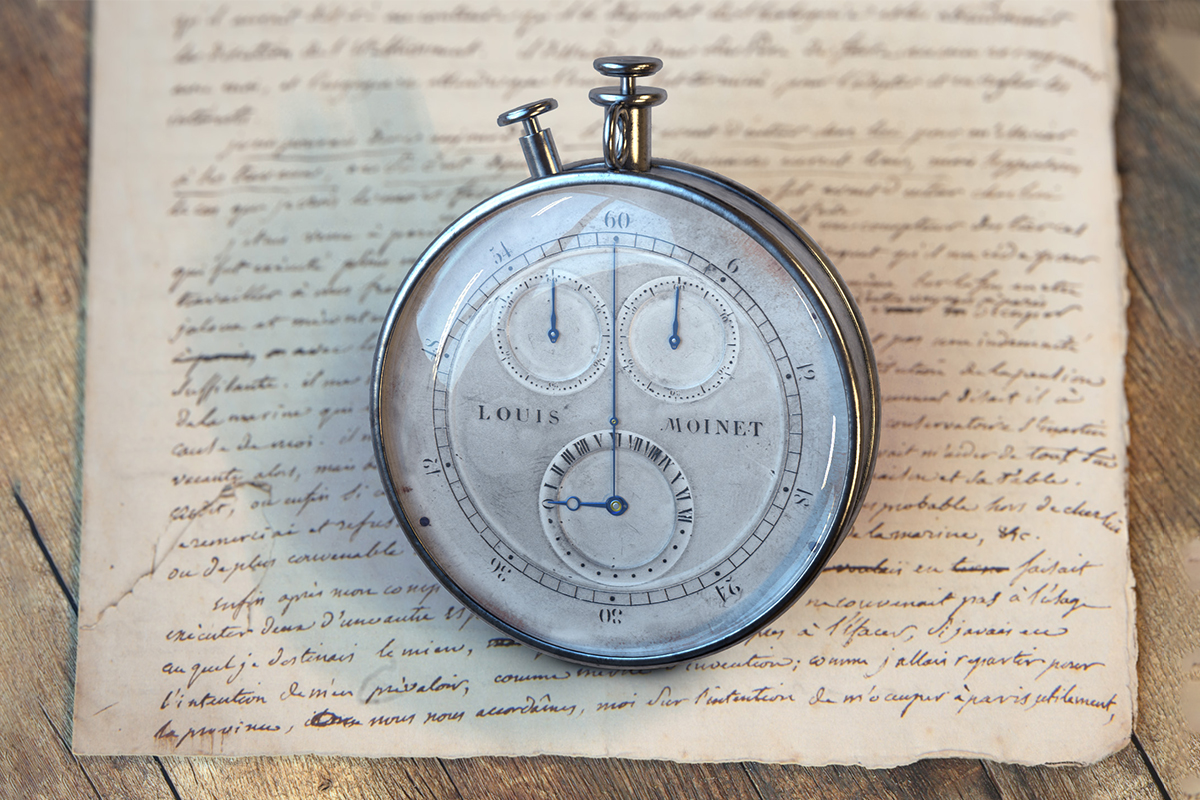
In 1816, Louis Moinet created a pocket watch called the “Compteur de Tierces,” meaning a “mechanism for measuring elapsed time.” It is often considered the first chronograph in history—complete with Start, Stop, and Reset functions. Even more astonishing, it could measure 1/60th of a second, thanks to a 30 Hz frequency (216,000 vph)—a figure that many modern watches still struggle to match.
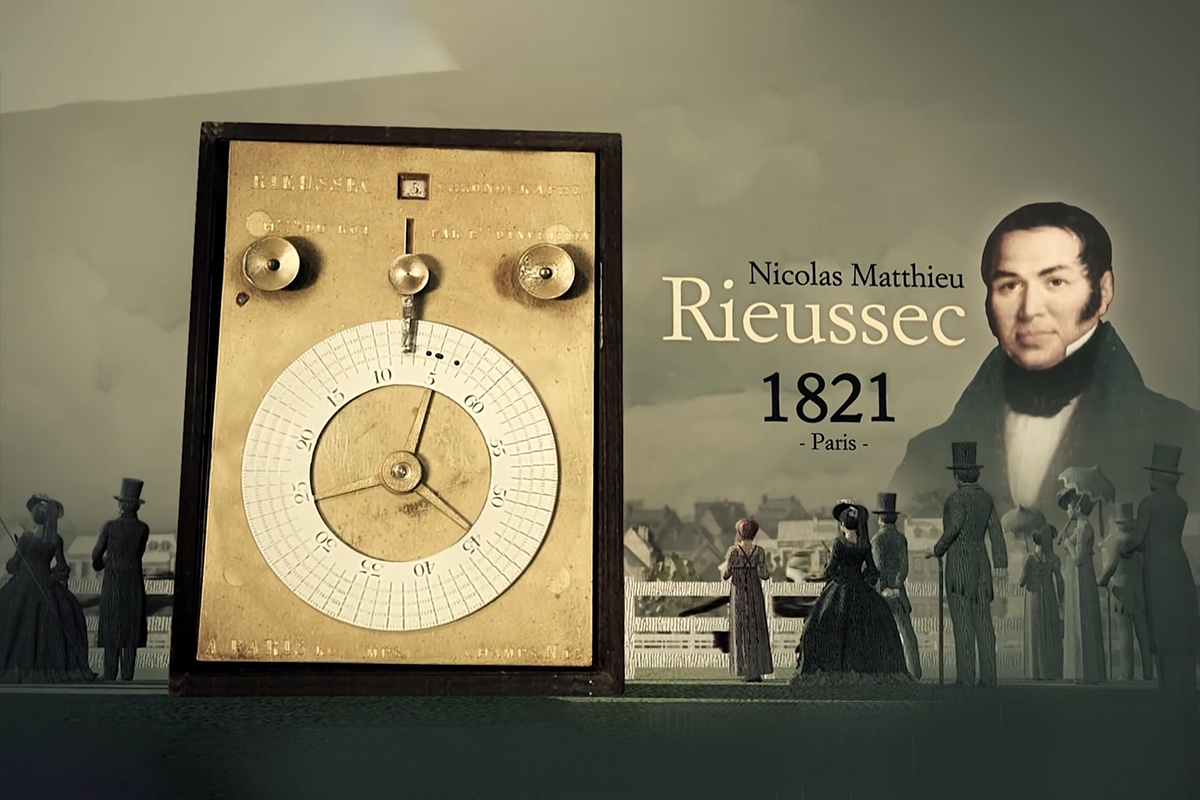
Just a few years later, in September 1821, the chronograph appeared in a different form—more practical, more relatable. King Louis XVIII of France was so captivated by horse racing that he wanted to record each lap time. Enter Nicolas Rieussec, a brilliant watchmaker, who devised a remarkable machine. It didn’t resemble the chronographs we know today: instead of hands sweeping around a dial, it used tiny drops of ink to mark time. If Moinet established the chronograph as a scientific instrument of precision, Rieussec brought it closer to real-world use and everyday life.
From there, the chronograph never stopped evolving. In the 20th century, especially during the World Wars, it became an essential tool for pilots and soldiers—used to track fuel consumption, navigation, and artillery timing. After the wars, the chronograph stepped into civilian life, tied to racetracks, cockpits, and even the dream of space exploration. Watches like the Breitling Navitimer, the Heuer Carrera, and especially the Omega Speedmaster—the legendary “Moonwatch”—left their mark on history, not merely as timepieces but as symbols of an era.
How does a chronograph work?
What makes the chronograph so irresistible is the complexity hidden inside such a small case. Press the pusher, and a set of gears immediately engages with the movement, allowing a dedicated seconds hand to begin its run. Press again, and it stops—capturing elapsed time down to the second.
Press the other pusher, and everything instantly resets back to zero, ready for the next measurement.
On the dial, you’ll often find sub-dials such as:
A minute counter (usually 30 or 60 minutes)
An hour counter (typically up to 12 hours—sometimes 24 hours, though that’s rare and usually reserved for specialized models)
Combined with the central chronograph seconds hand, you can time most everyday activities with ease.
Special variants
Flyback chronograph – one press resets and restarts instantly, incredibly useful for pilots.
Rattrapante (split-seconds chronograph) – two seconds hands stacked together, allowing you to time two events simultaneously. It’s among the most difficult mechanical complications to produce—and also one of the most mesmerizing to watch.
Why is the chronograph still loved today?
In the smartphone era, a single tap can time something down to the millisecond. So why would anyone still obsess over a mechanical chronograph—something expensive, heavier, and objectively less convenient?
Because today, the chronograph is no longer about necessity. It survives not for convenience, but for experience and story.
It’s the feeling of pressing the pusher yourself—watching that seconds hand surge forward with determination, halt, and then snap back to zero. Something about it is both mechanical and poetic.
It’s also history condensed into a single complication: from Louis Moinet’s scientific instrument, to King Louis XVIII’s horse races, to the battlefields of the World Wars, and finally to the Moon—where the Omega Speedmaster became the first mechanical watch to accompany humans on their journey into space.
And above all, it’s proof of mechanical artistry: hundreds of tiny components working in perfect harmony… just to measure a few seconds passing by. A simple idea—executed in the most gloriously overengineered way possible. And yes, that’s incredibly cool.


.webp&w=384&q=75)
