
A Brief History of the Cartier Tank Through the Ages
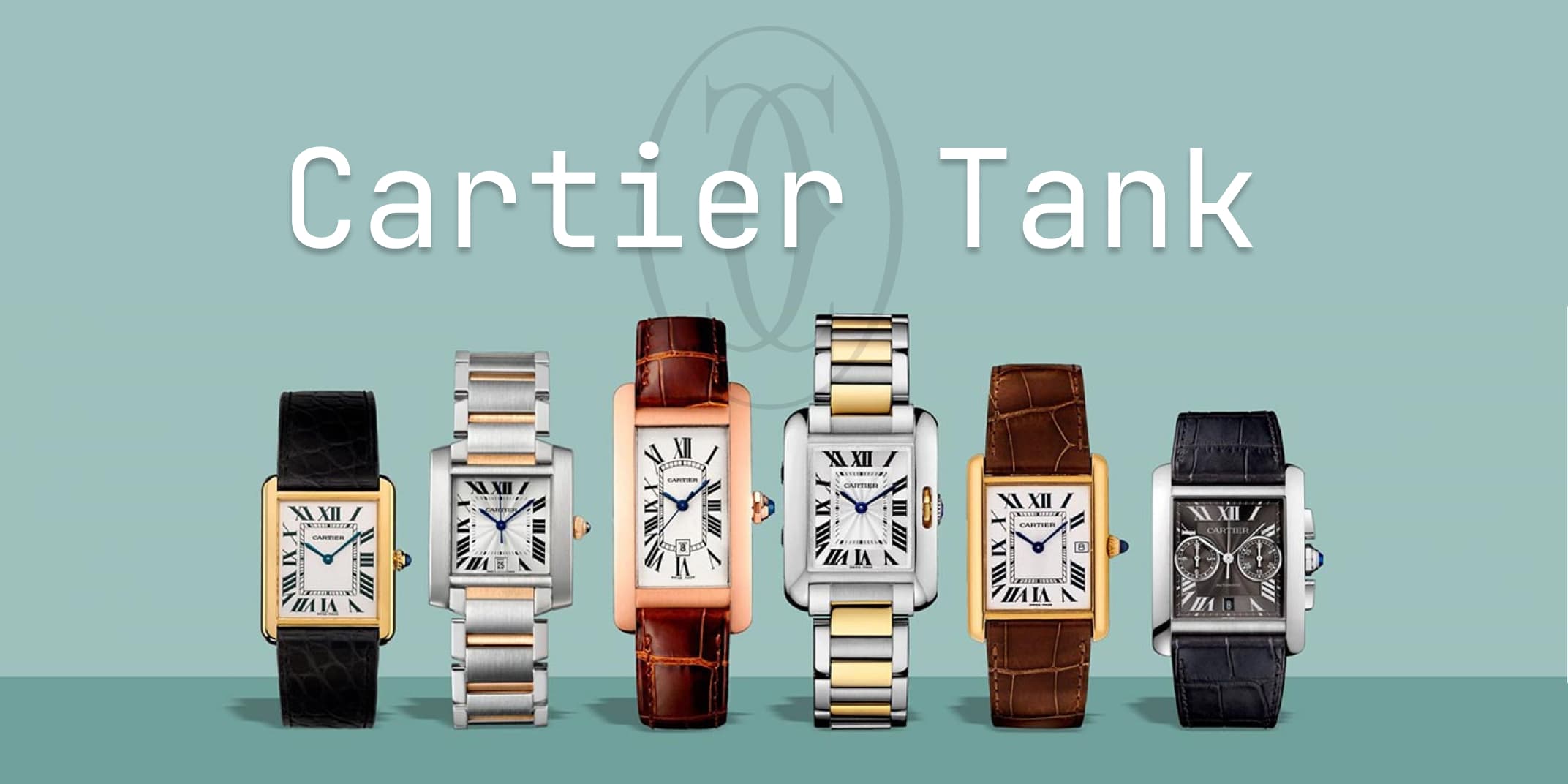
Cartier Tank is more than just a wristwatch.
It is a refined union of innovation and heritage, born from vision, worn by style icons, and destined to endure. The Tank marked a bold departure from the dominance of traditional round watches. With its clean geometry, Roman numerals, and signature sapphire cabochon crown, the various interpretations of the Cartier Tank have graced the wrists of style leaders, artists, and intellectual elites for more than a century.
To fully understand this legacy, one must return to its point of origin – the very first Cartier Tank.
In 1917, Louis Cartier, grandson of the Maison’s founder Louis-François Cartier, sketched the first Tank watch. The story of the Cartier Tank took shape against the backdrop of the First World War, drawing inspiration from the rectangular silhouette of military tanks, most notably the French Renault FT-17. When the Cartier Tank was introduced in the early 20th century, the wristwatch itself was beginning to replace the pocket watch – a transition strongly accelerated by wartime realities, practicality, and the increasing pace of modern life.
1. Cartier Tank Normale
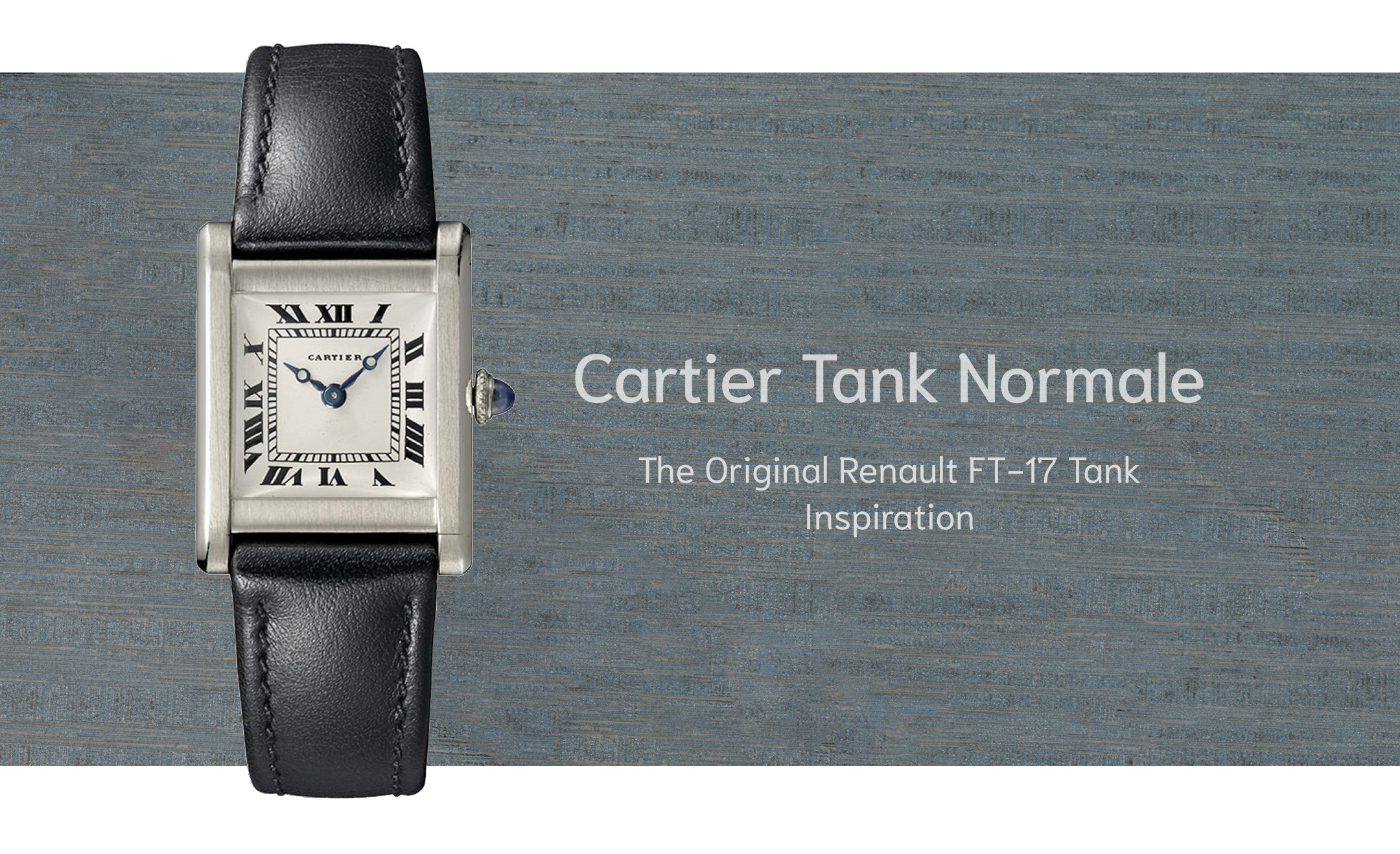
The first Tank was the Cartier Tank Normale. Its case is defined by what Cartier calls the brancards – vertical side elements that also serve as the bezel. Early examples featured flat-topped brancards with straight, uncompromising edges, reinforcing the aesthetic language drawn directly from the Renault tank.
While later variations and other Tank silhouettes would go on to achieve wider public recognition, the Normale was the true breakthrough design that laid the foundation for Cartier’s creative future. Notably, it remains the Tank model most faithful to the Renault FT-17 itself. Subsequent Tank interpretations appear to have drawn more influence from the Normale’s established design language than from the original military vehicle that first inspired it.
2. Cartier Tank Cintrée
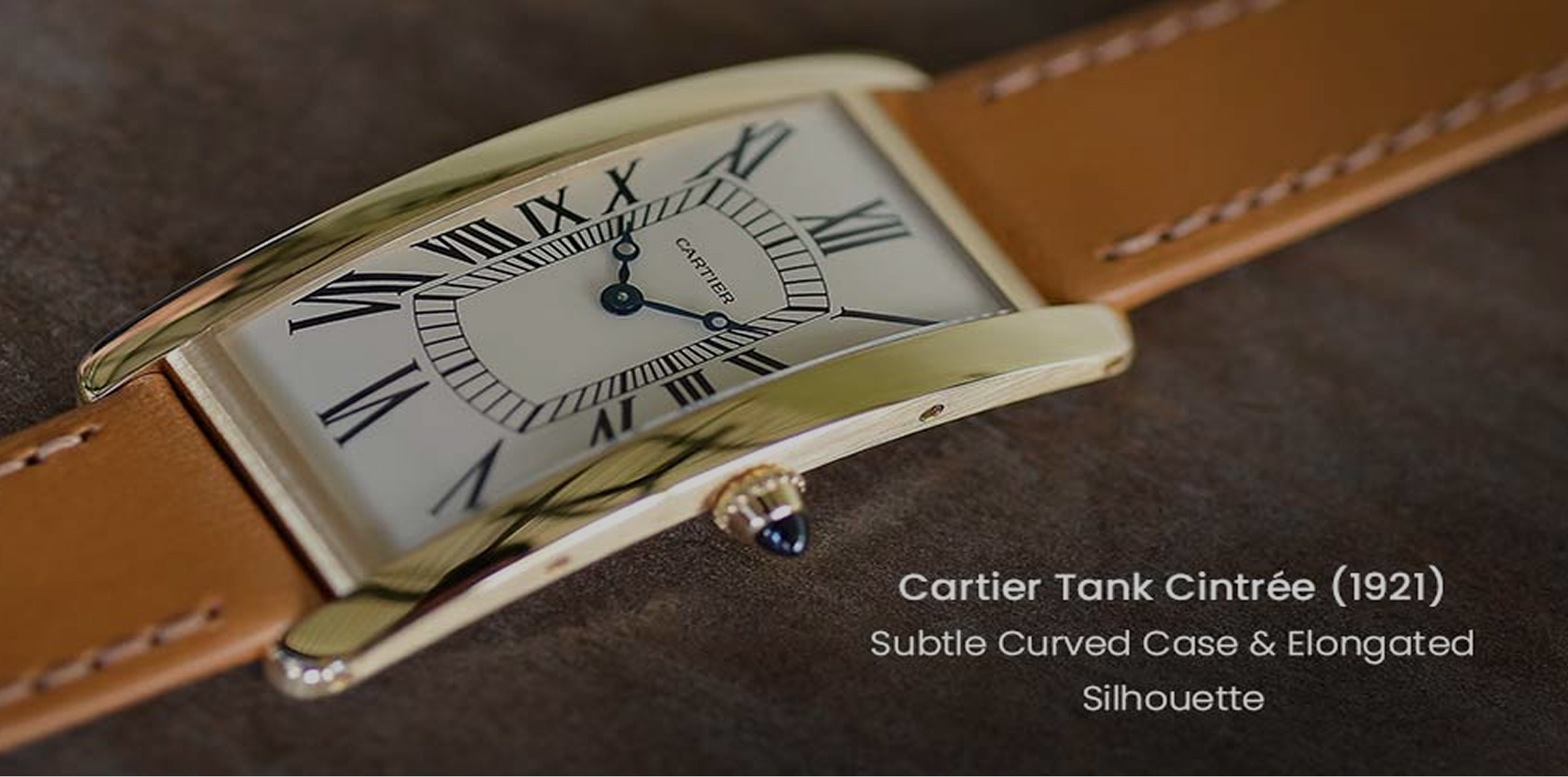
By 1921, Cartier continued to push boundaries. Just a few years after the Tank’s debut, the Maison challenged industry conventions once again, proving that a rectangular, decidedly masculine watch could not only succeed, but also redefine the dress watch and spark an entirely new trend.
If the original Tank featured a relatively compact case, the Cartier Tank Cintrée introduced a longer, more pronounced rectangular form with a gentle curvature. Launched at the height of the Art Deco movement, its elongated and slender profile was perfectly in tune with the era. The Cintrée is curved both at the dial and the caseback, with an extended case and refined Roman numerals that emphasize its increased length and restrained width.
3. Cartier Tank Louis Cartier
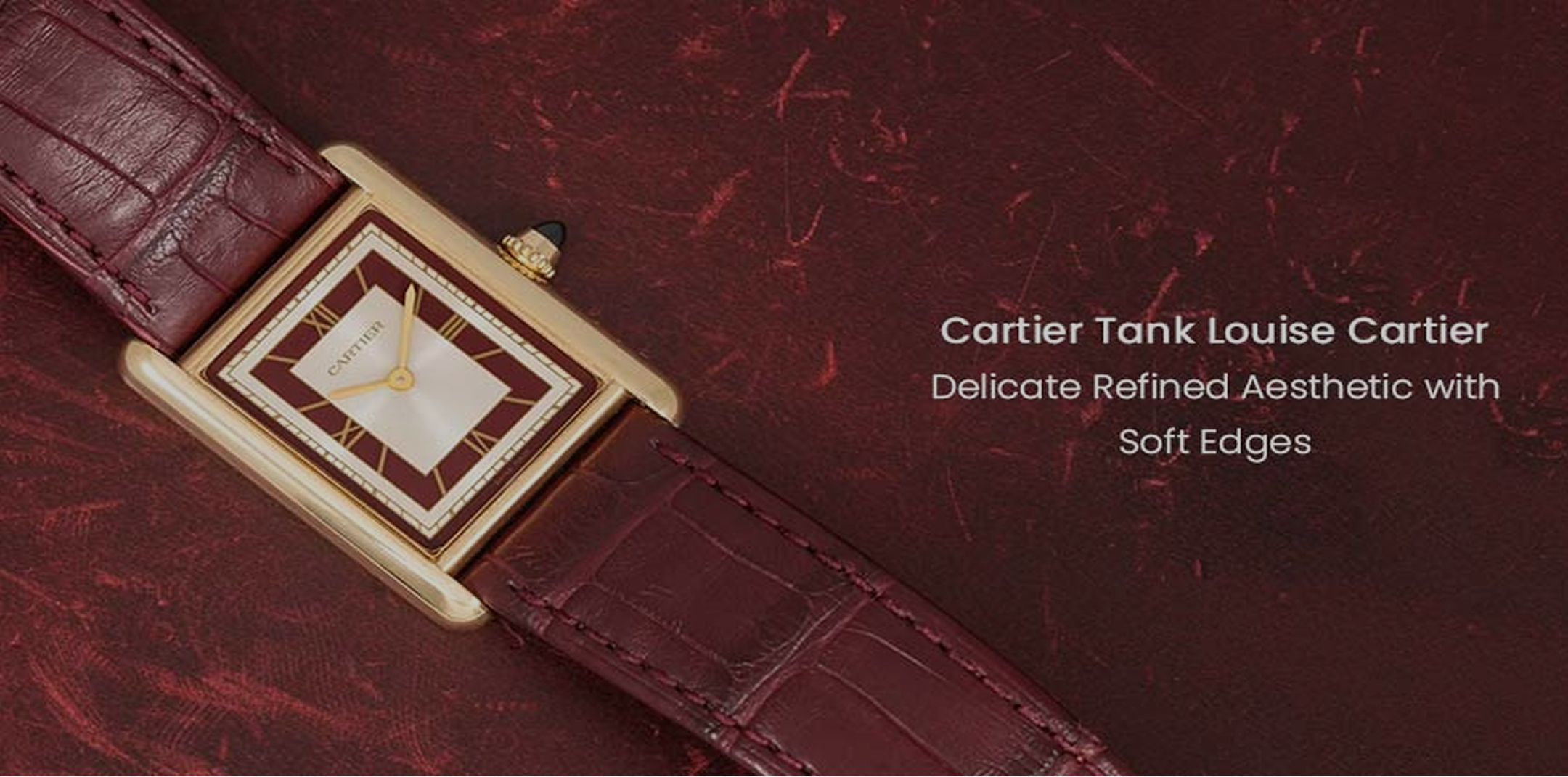
Building on the success of the Normale and the Cintrée, Cartier expanded the Tank collection throughout the 1920s with a series of new interpretations. Among the most notable was the Cartier Tank Louis Cartier, also known as the Tank LC or Tank JC, named after Jean-Jacques Cartier.
Often regarded as the “definitive” Tank, it remains one of the most revered variations in the collection. Introduced in the early 1920s, the Tank Louis Cartier evolved from the Normale while preserving its essential identity, yet introduced key refinements. The sharp, flat-topped brancards gave way to softly rounded outer edges and smoother grooves, resulting in a silhouette that feels more elegant, more fluid, and unmistakably refined.
4. Cartier Tank Chinoise
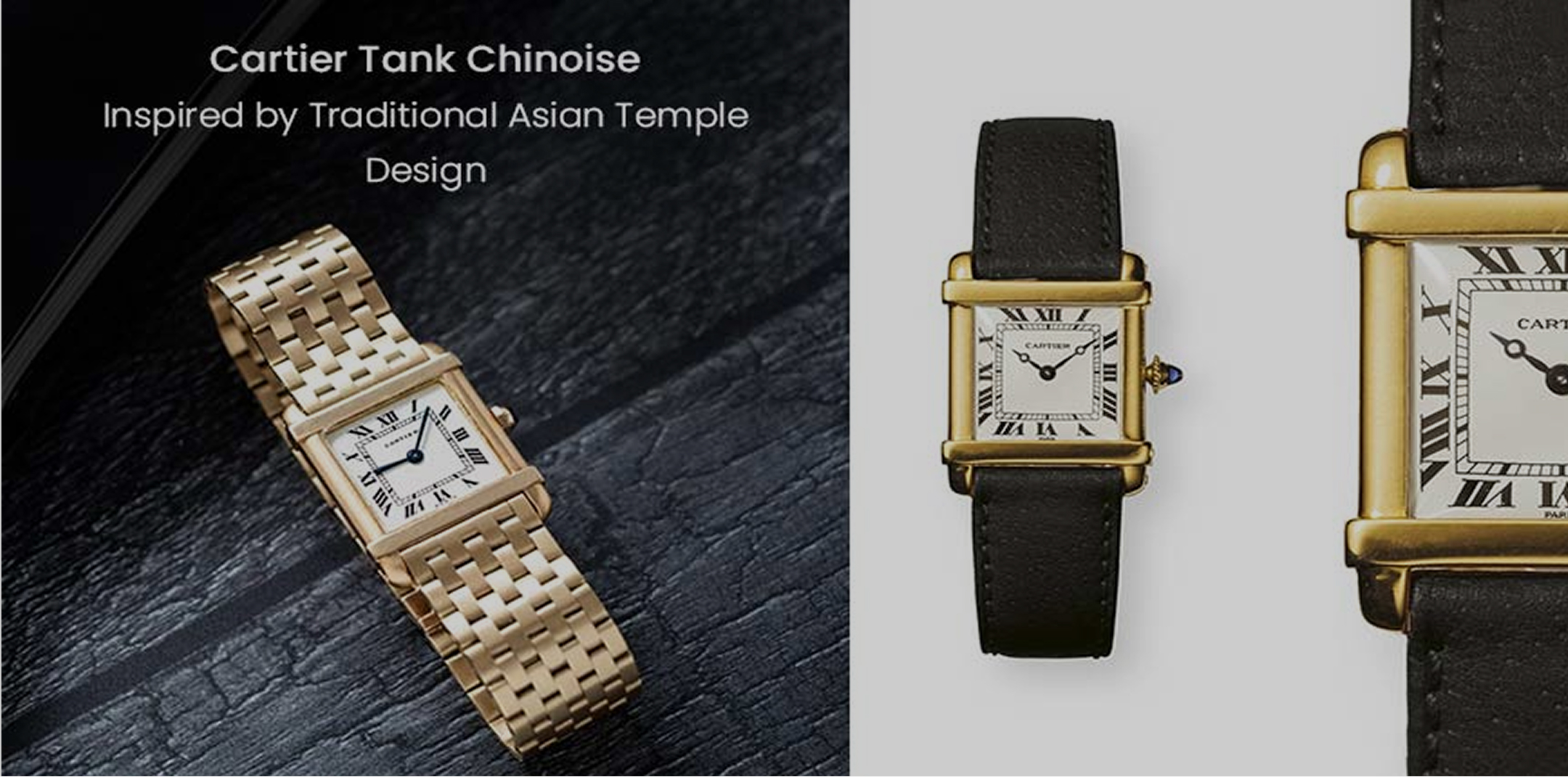
In 1922, Cartier introduced the Tank Chinoise, a variation that reflected the growing influence of East Asian aesthetics in Europe. In the aftermath of the First World War and alongside the rise of the Republic of China, Asian-inspired design began to permeate architecture and fashion, helping shape the visual identity of the Tank Chinoise.
This model retained the elongated brancards extending into the lugs, while adding two horizontal bars that frame the top and bottom of the case. These structural elements evoke the form of ornamental gateways found in traditional Asian architecture. The name “Chinoise” derives from Chinoiserie – a Western artistic movement inspired by Chinese decorative motifs.
5. Cartier Tank à Guichet

Unlike most Tank variations throughout history, the Cartier Tank à Guichet of 1928 was created as an exclusive piece for a select group of VIP clients. Its defining distinction lay in the way it displayed time. Instead of a traditional dial, the watch employed a jumping-hour mechanism, revealing the hour through a small aperture and producing a uniquely “digital” effect within the Tank lineage.
The remainder of the front surface is a seamless expanse of metal integrated into the case, reinforcing an armored, tank-like presence. At the time of its release, the jumping-hour display was a rare and forward-thinking complication, boldly departing from conventional hands and underscoring Cartier’s willingness to challenge established watchmaking norms.
6. Cartier Tank Basculante Mécanique
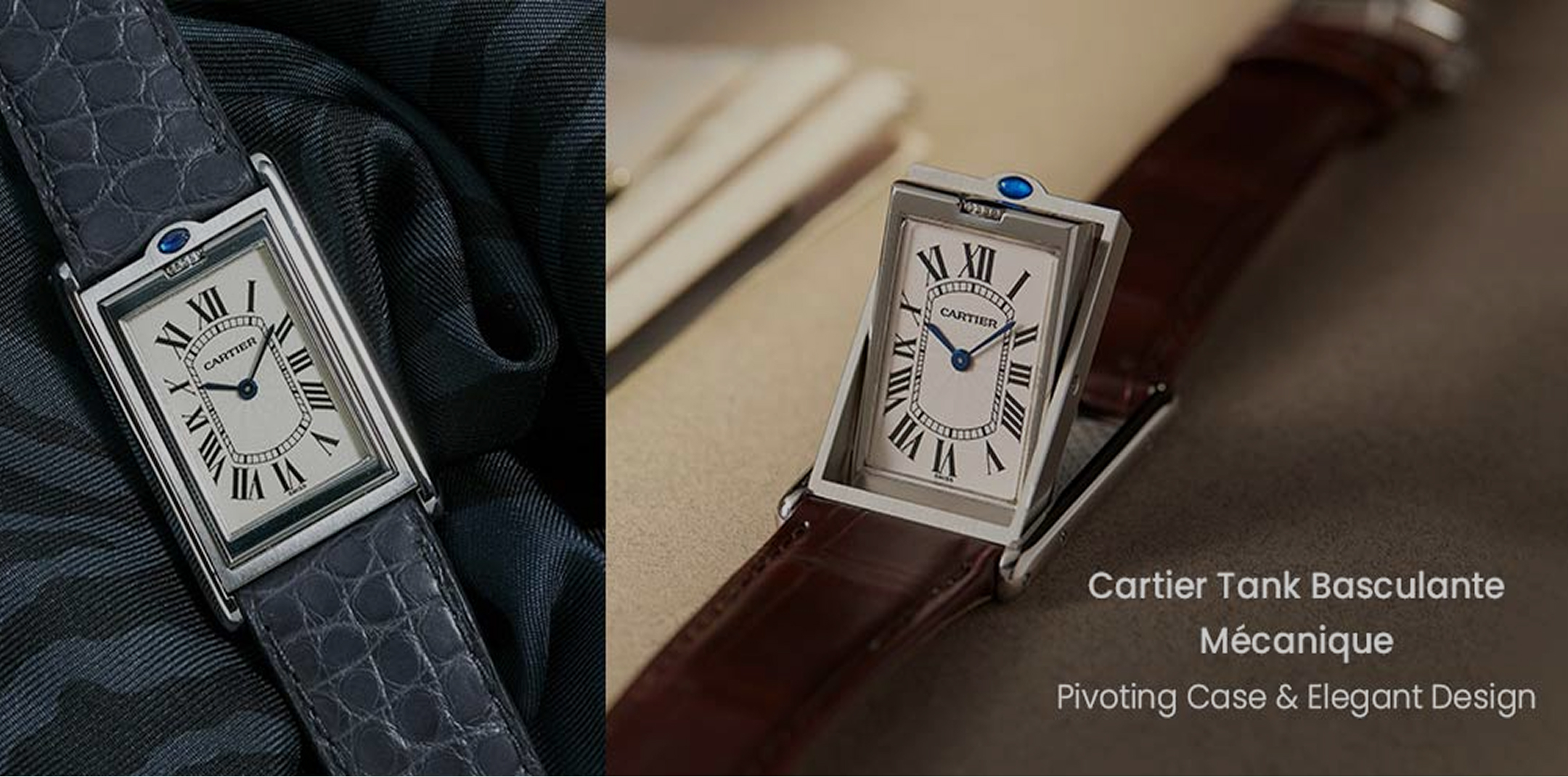
In 1931, Jaeger‑LeCoultre introduced the Reverso, featuring a swiveling case designed to protect the crystal during sporting activities. One year later, Cartier presented its own interpretation with the Basculante. While sharing the same protective intent, the Cartier Tank Basculante Mécanique allows both the dial and caseback to rotate along a vertical “over-and-under” axis within a supporting frame.
Thinner than the Reverso, the Basculante also offers a clever twist: when paused halfway through its rotation, it transforms into a miniature desk clock, blending function with quiet ingenuity.
7. Cartier Tank Obus Savonette
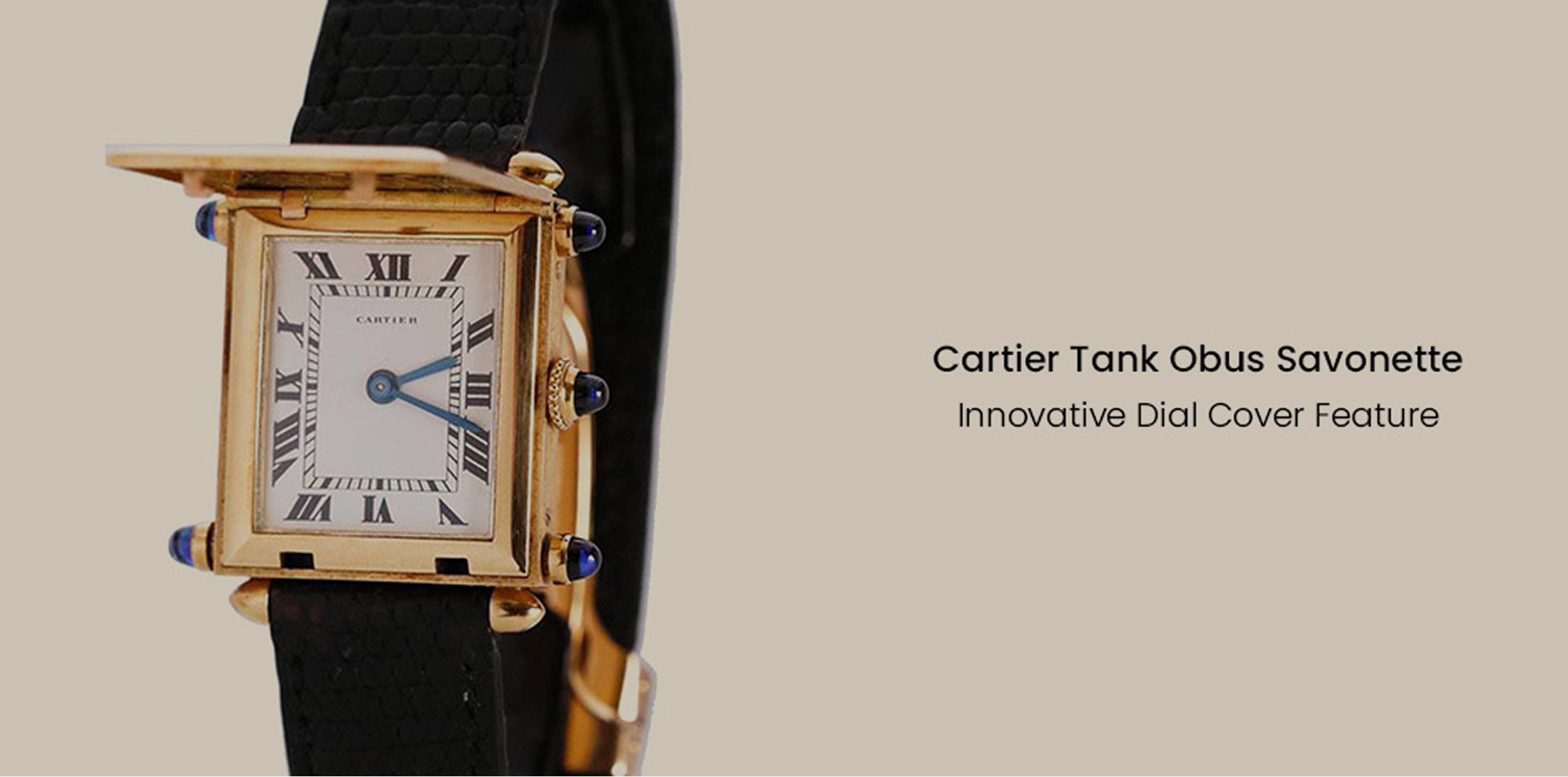
As early as 1926, Cartier introduced the Tank Obus Savonette, featuring a hinged cover designed to protect the dial. This concept reveals Cartier’s early experimentation with crystal protection, predating both the Reverso and the Basculante.
However, the design never achieved widespread popularity and was eventually overshadowed by the more refined and mechanically expressive Basculante.
8. Cartier Tank Monopoussoir Chronograph
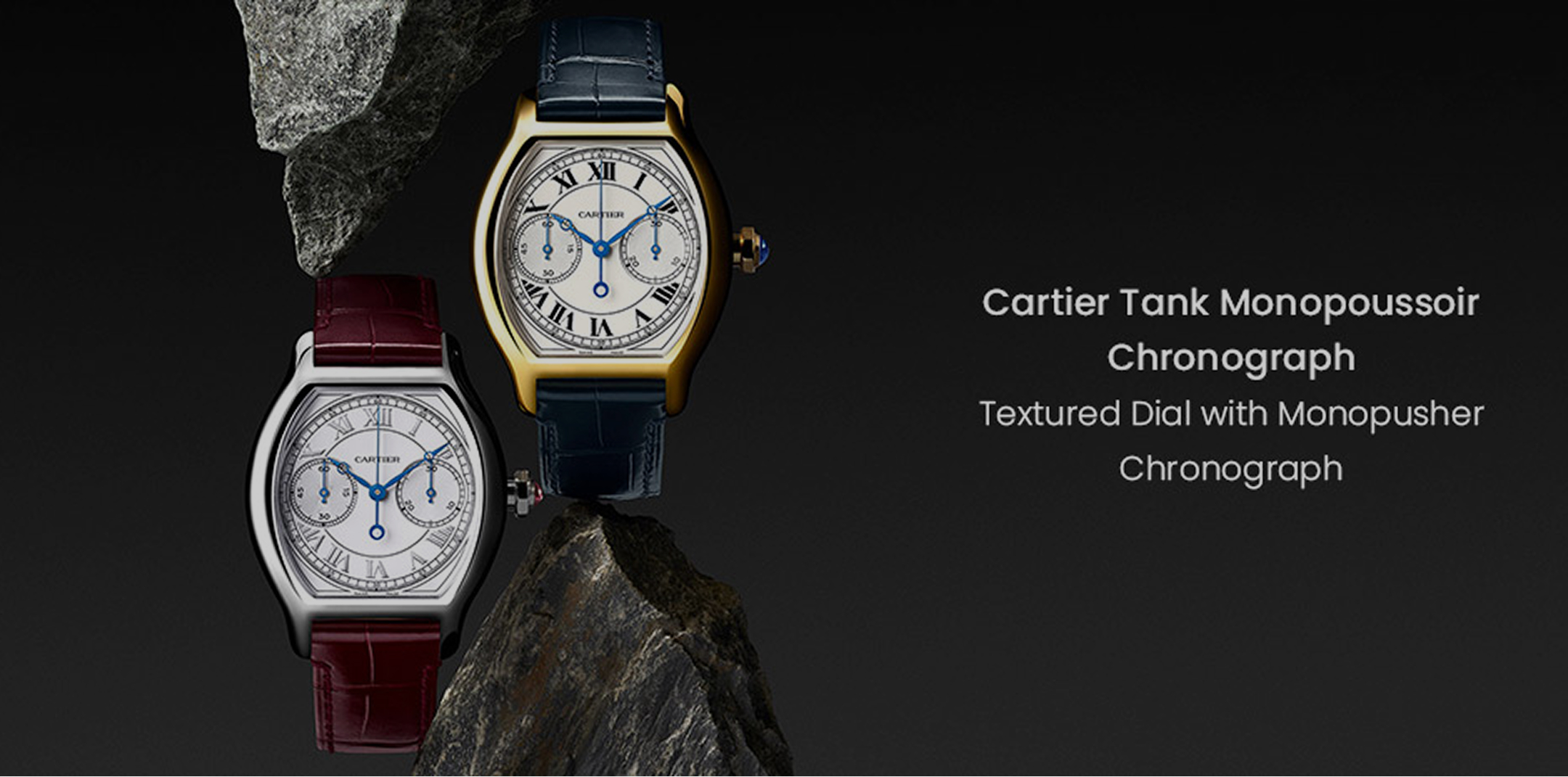
Introduced in 1935, the Cartier Tank Monopoussoir Chronograph marked the first true complication within the Tank lineage, proving that Cartier’s mastery extended beyond design into refined watchmaking craftsmanship.
The monopusher chronograph is technically demanding, as a single button, integrated into the crown, controls all three functions: start, stop, and reset. While preserving the unmistakable Tank aesthetic, this model often features a guilloché dial, with its most notable departure being the addition of two chronograph sub-dials, subtly expanding the Tank’s visual and mechanical vocabulary.
9. Cartier Tank Must
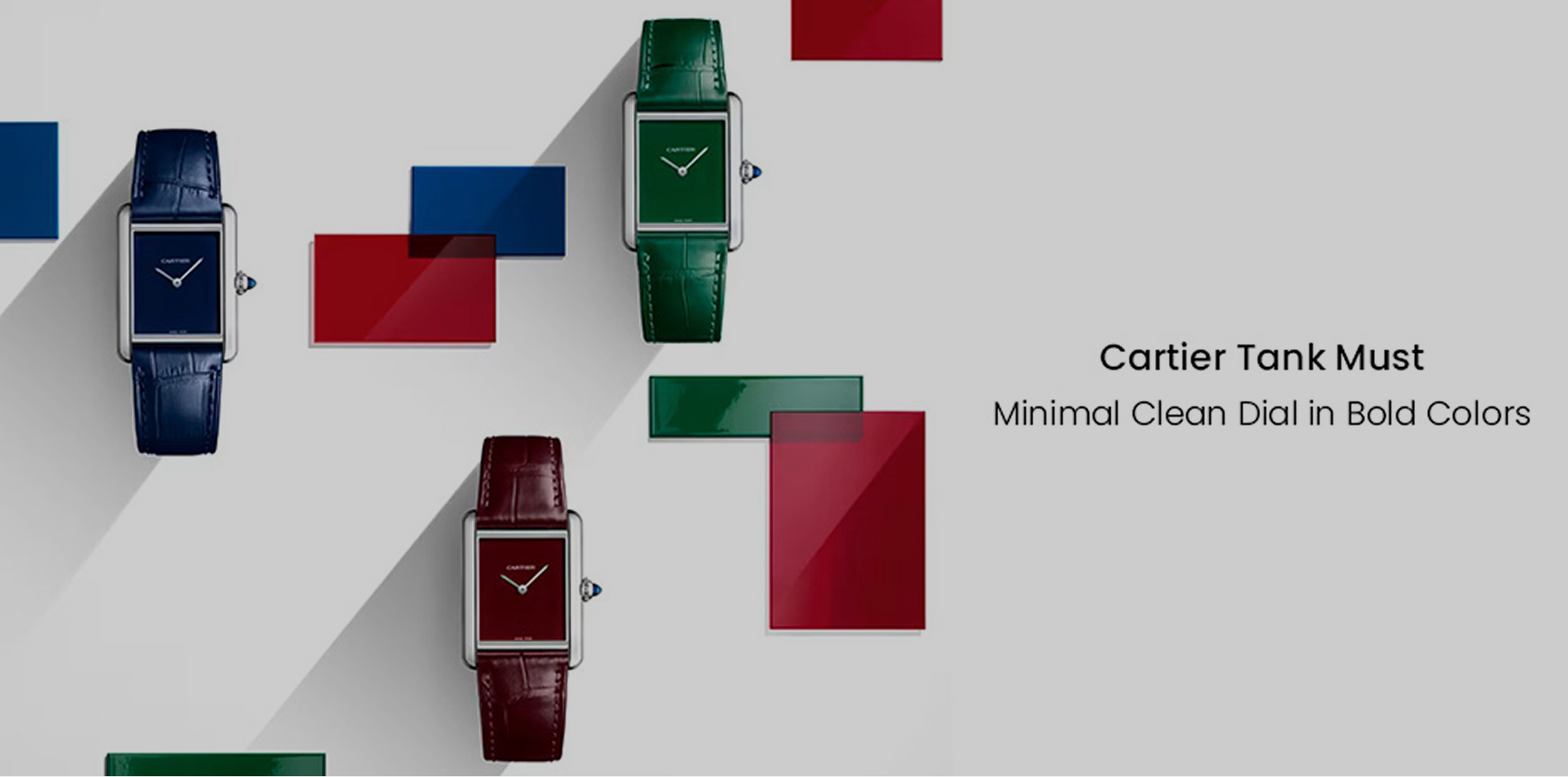
Fast forward to 1977, and the watch industry had changed dramatically. By then, the Tank had already stood as an icon for more than half a century. At the same time, Seiko brought quartz movements to the market, disrupting the industry and placing traditional luxury watchmakers under intense price pressure.
Cartier’s response was the Tank Must collection, launched in 1977 and still present today. While not “beautiful” in the traditional sense, the Must immediately commanded attention. Unlike other Tank models that emphasized fine detail and artisanal finishing, the Must stood out through radical simplicity.
Its dials embraced the late-1970s and early-1980s “power suit” palette: deep burgundy red, navy blue, and emerald green, paired with matching leather straps. In doing so, the Tank Must redefined accessibility without abandoning the Tank’s unmistakable identity.
10. Cartier Tank Américaine
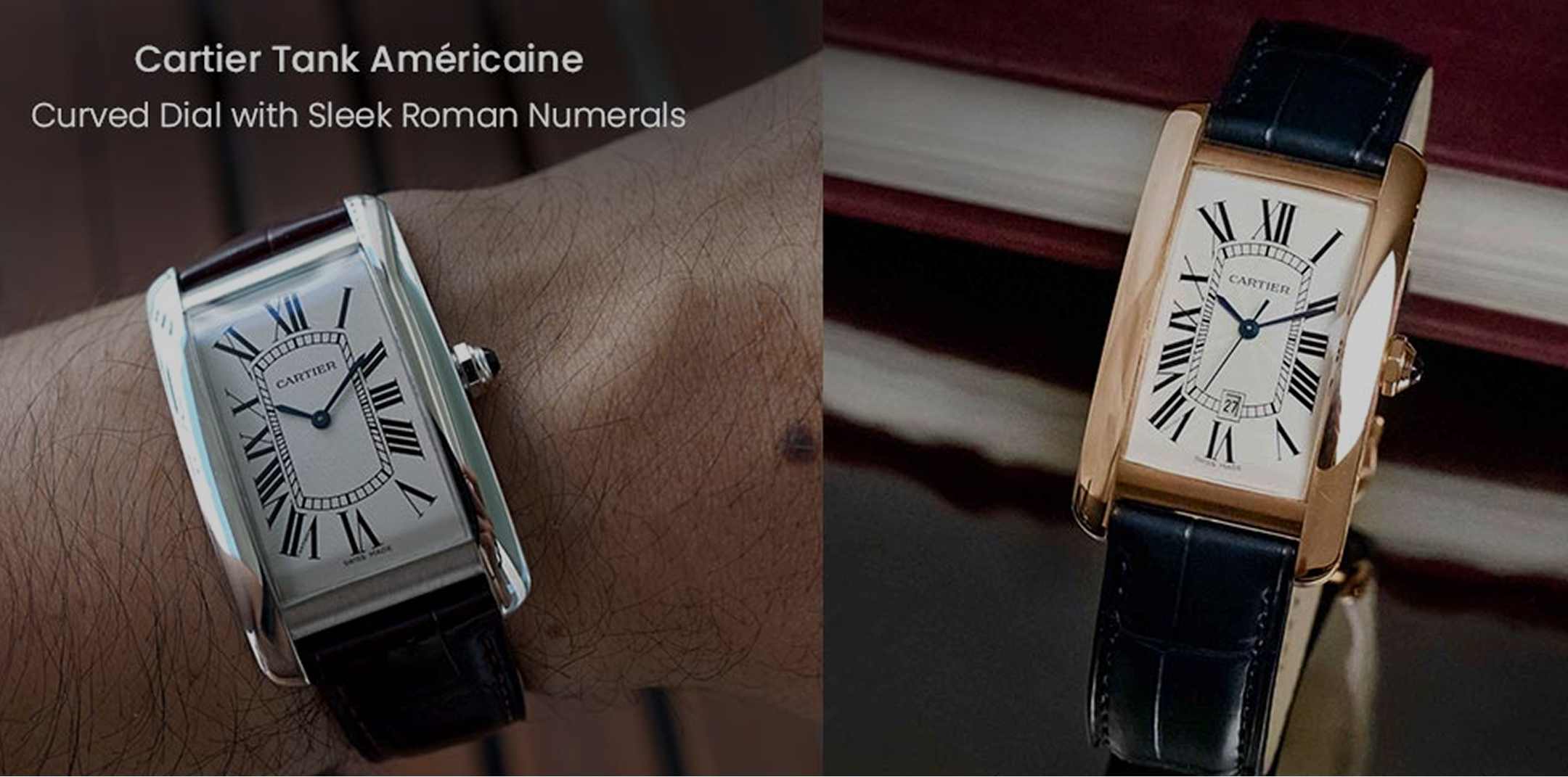
Another notable milestone came with the Tank Américaine in 1989, a contemporary interpretation of the Cintrée. While its proportions are less dramatic, it preserves the signature curved case lines long associated with the Tank family.
Unlike the Cintrée, which curves on both the front and the back, the Américaine features curvature only on the dial side, with a caseback that remains nearly flat. This subtle adjustment made the model more wearable, while maintaining the elongated elegance that defines the Cintrée lineage.
11. Cartier Tank Française
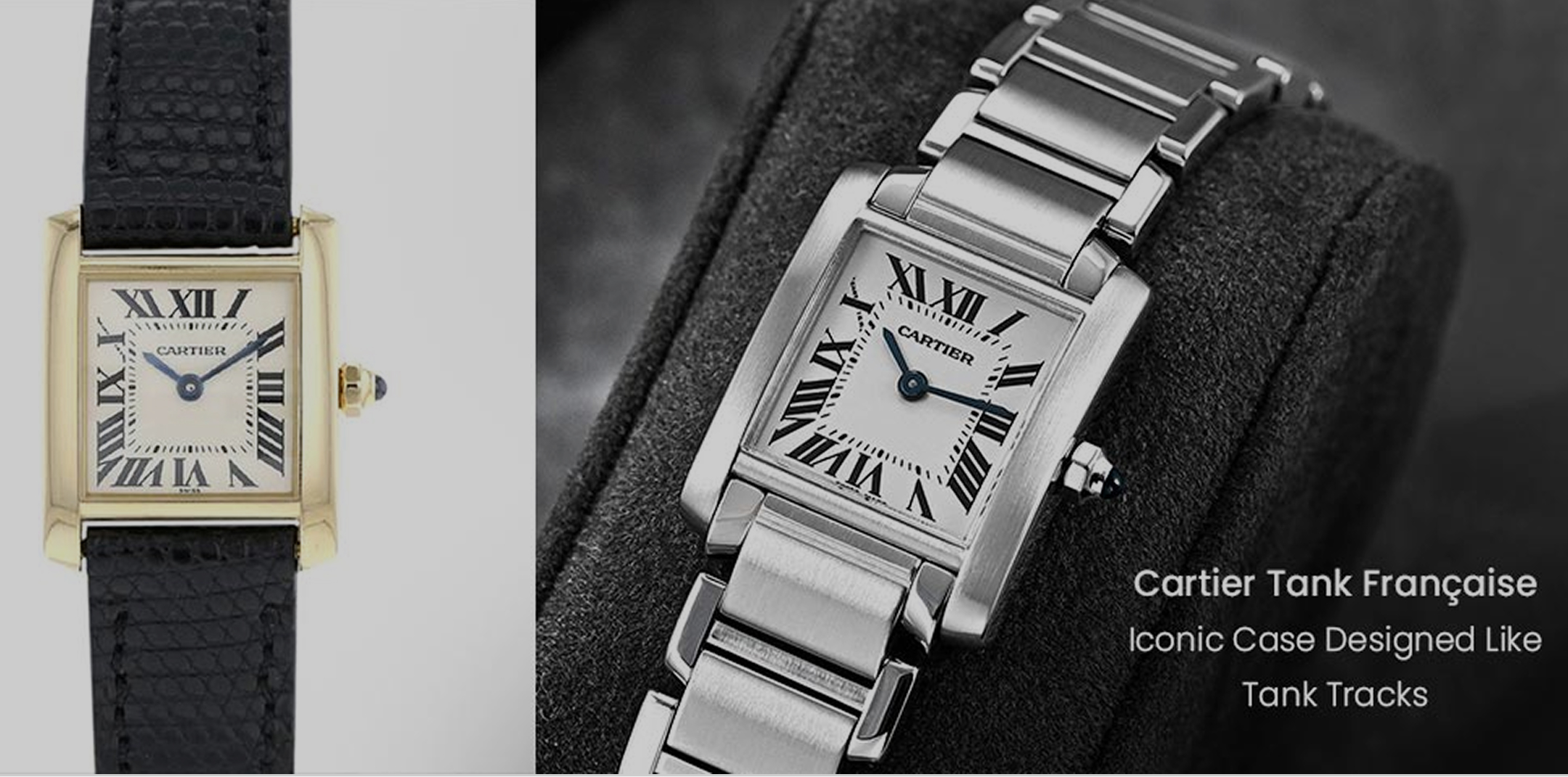
Drawing inspiration once again from the Normale, the Tank Française of 1996 returned to a more squared case profile and introduced a modern metal link bracelet. Its sportier aesthetic made it versatile enough to transition seamlessly from everyday wear to more formal settings.
The bracelet design subtly echoes the tracks of a military tank, paying tribute to the model’s origins and heritage. As one of the most instantly recognizable Tank variations, the Française has appeared on the wrists of celebrities, world leaders, and public figures alike, embodying the essence of the Tank spirit.
Its defining cues remain unmistakable: blued sword hands, Roman numerals, a geometric case often closer to square than rectangular, and the signature integrated metal bracelet that sets the Française apart within the Tank family.
12. Cartier Tank Anglaise
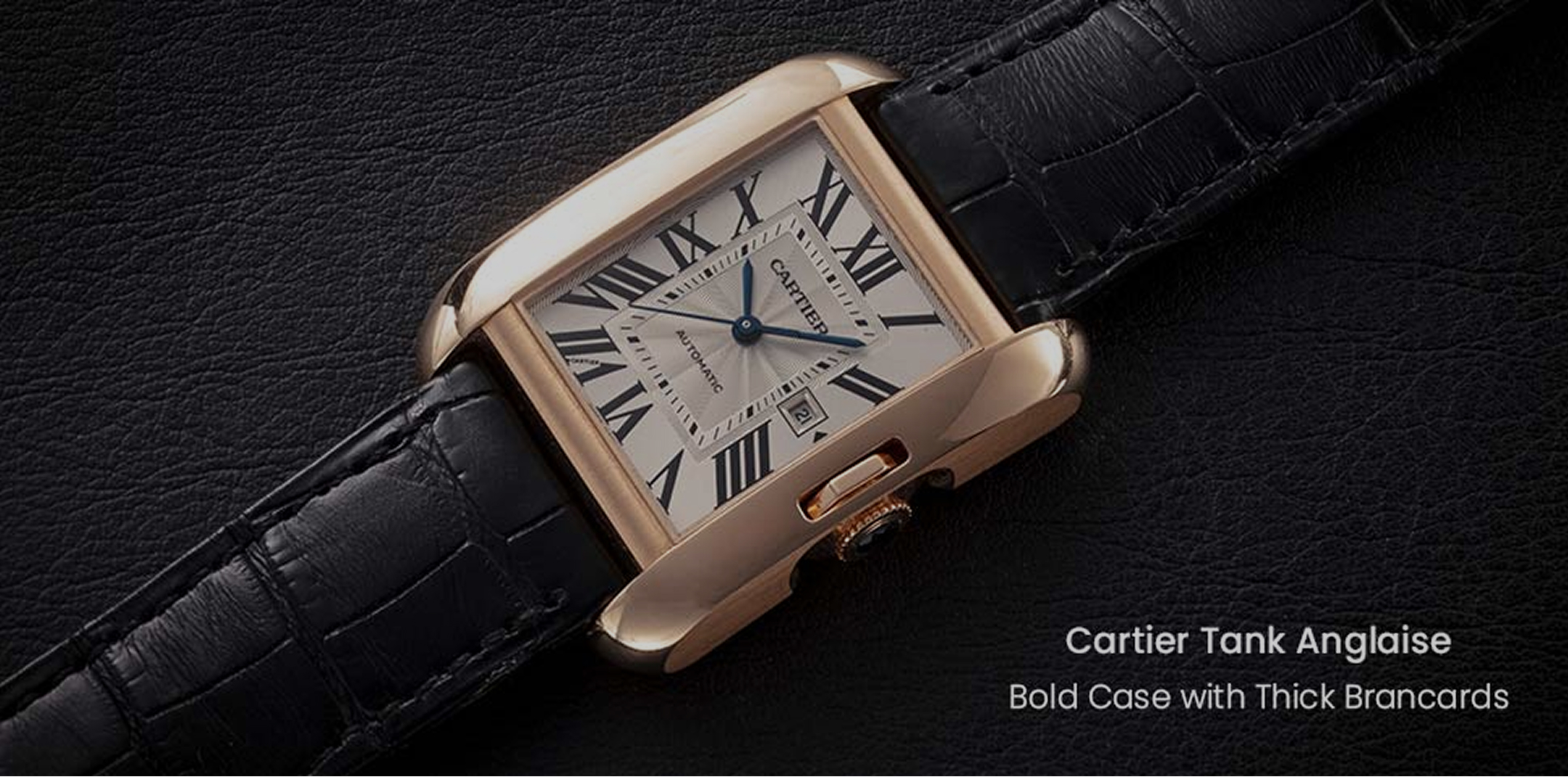
Introduced in 2012, the Tank Anglaise stands as the most contemporary interpretation of the Tank to date. It is distinguished by a thicker case, broader brancards, and a more substantial wrist presence, softened by gentle curvature.
While the case adopts a decidedly modern aesthetic, the dial remains faithful to Cartier’s classical language, featuring a guilloché background, Roman numerals, and a date aperture at 3 o’clock. This interplay between modernity and tradition is what gives the Anglaise its distinct character.
The model also carries symbolic significance. It is one of three Tank variations that pay tribute to Cartier’s founding locations, with the Anglaise representing the Maison’s London branch.
13. Cartier Tank MC Chronograph
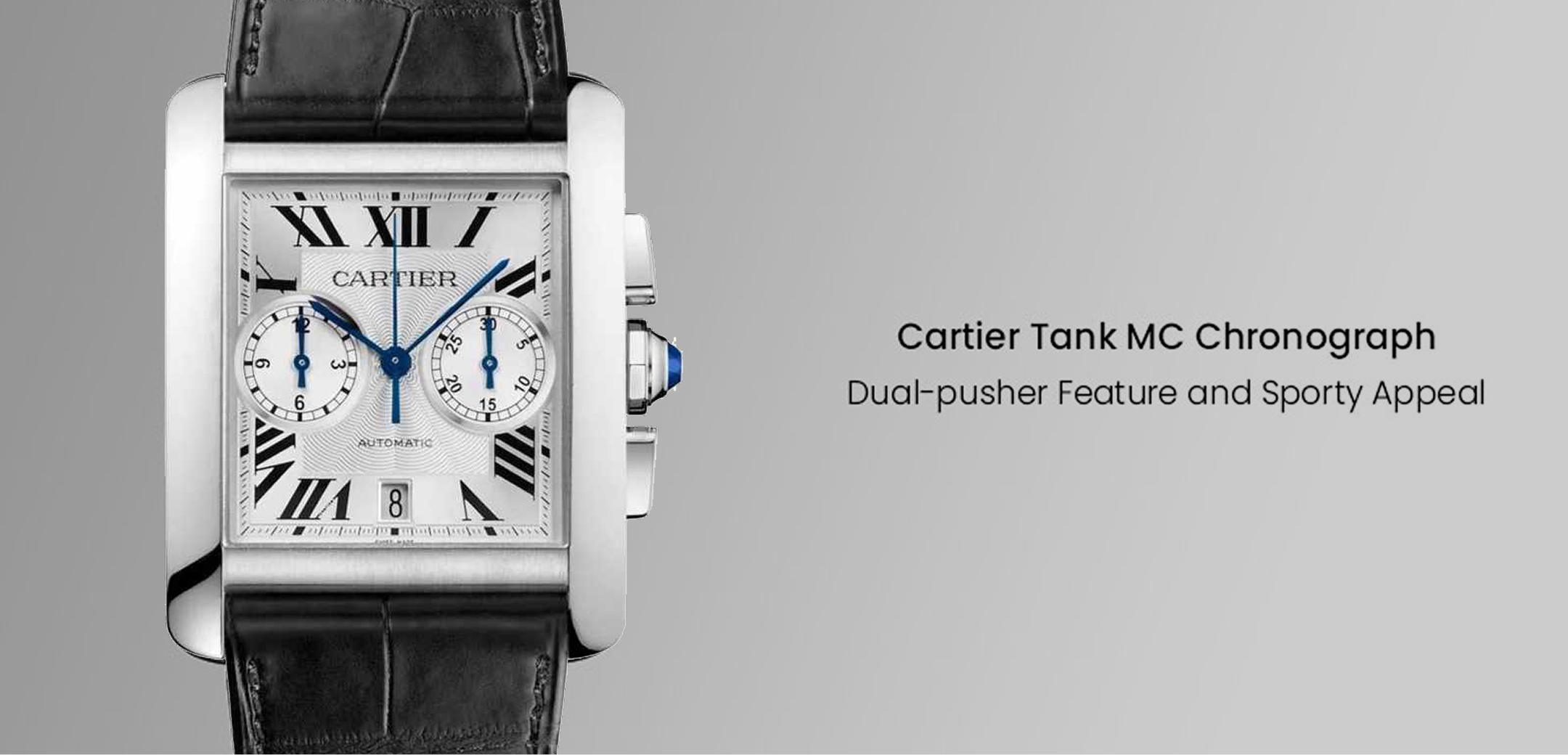
For those seeking a more unconventional chronograph interpretation, the Tank MC Chronograph of 2013 is worth consideration. This model debuted with Cartier’s first in-house automatic movement, the Calibre 1904 MC, and opted for a classic two-pusher chronograph layout rather than a monopusher. While the Monopoussoir leans toward formality, the Tank MC, despite being crafted in precious metals, expresses a distinctly sportier character.
The Cartier Tank remains a timeless emblem of elegance, innovation, and craftsmanship. With its rich history and evolving design language, it continues to captivate enthusiasts and collectors alike. From early classics to modern interpretations, the Tank demonstrates Cartier’s ability to balance tradition with contemporary expression.
Ultimately, the Cartier Tank today is not a repetition of the past, but a way for Cartier to carry its heritage into the present. Whether in steel or gold, mechanical or quartz, every Tank preserves the same iconic geometric spirit, merely adapting its language to suit its era. A design born in 1917, yet one that has never stood still in time.


.webp&w=384&q=75)
